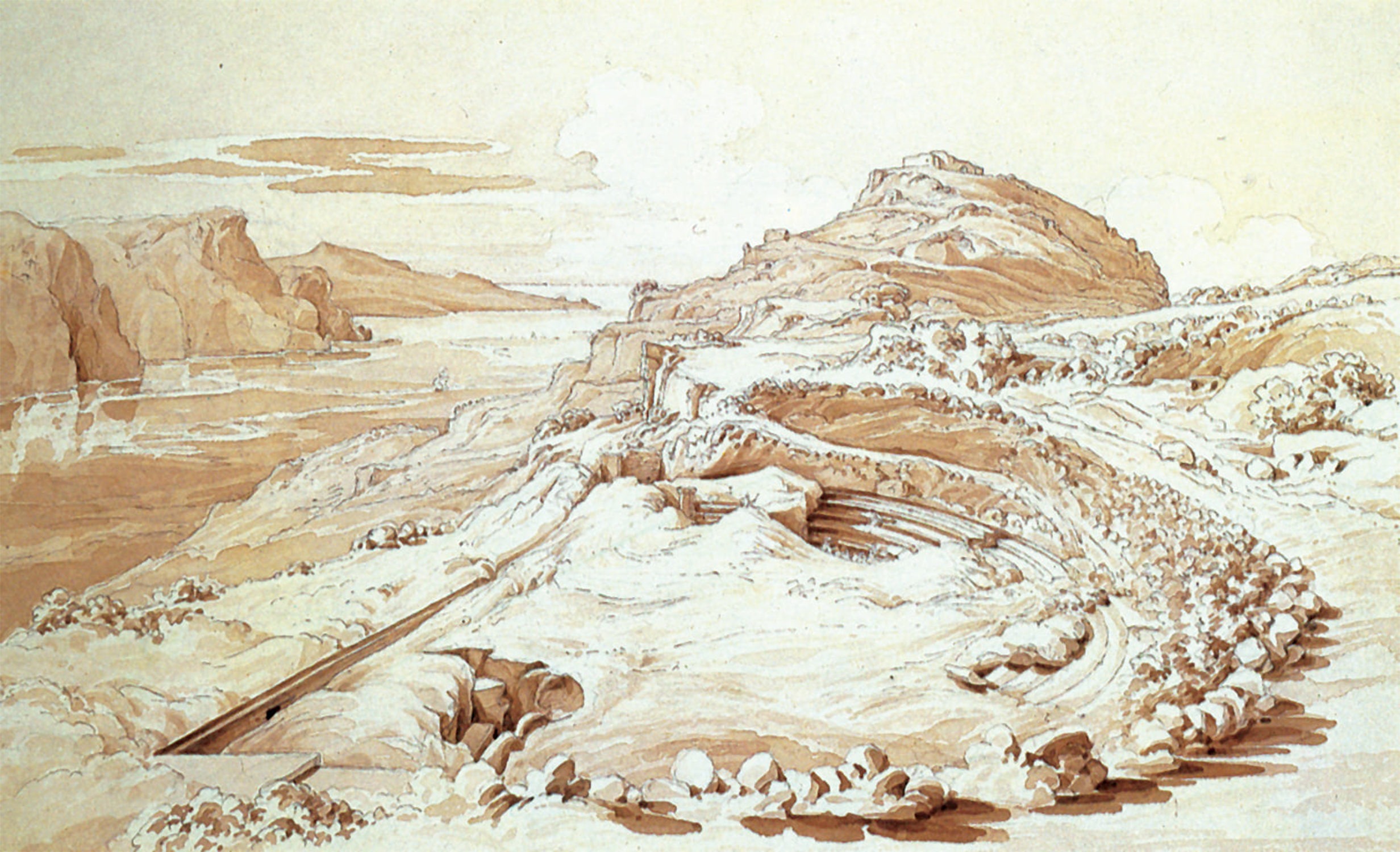


The location of the ancient theatre was first identified in 1735 by a passing traveller, the Jesuit monk Nicolas Sarrabat, who opening ‘holes’ at the edge of the cavea identified three rows of marble seats.
The first excavations were carried out in 1816 and 1817 by the German architect Carl Haller von Hallerstein, who purchased the theatre on behalf of the then heir and later king of Bavaria, Ludwig I. Ludwig, accompanied by the Superintendent General of Antiquities Ludwig Ross, visited Melos in 1836 with his son and with the king of Greece, Otto, to whom he donated the monument. During this visit, an excavation was carried out in the theatre, which has since been recorded as the first – erroneously.
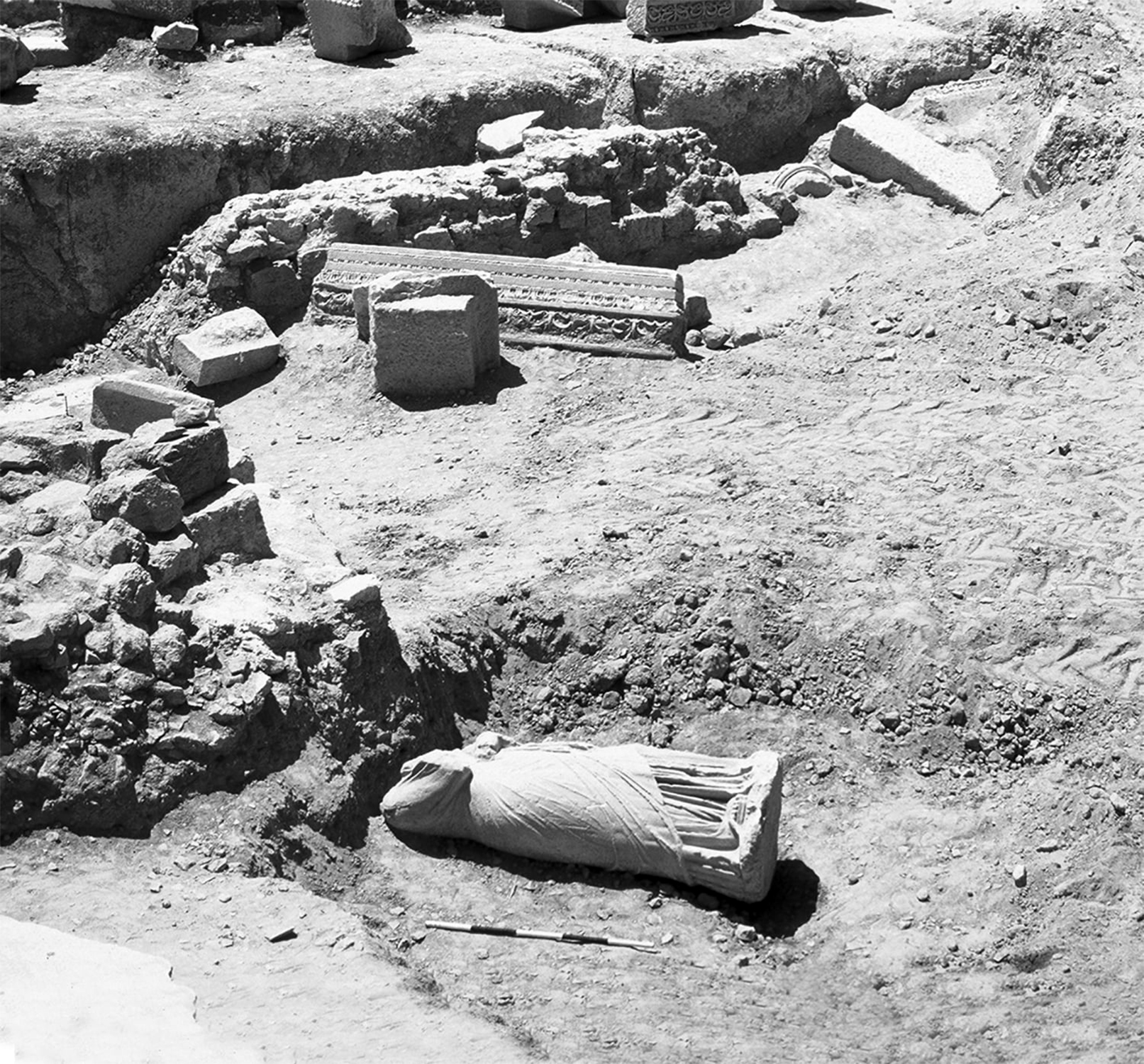
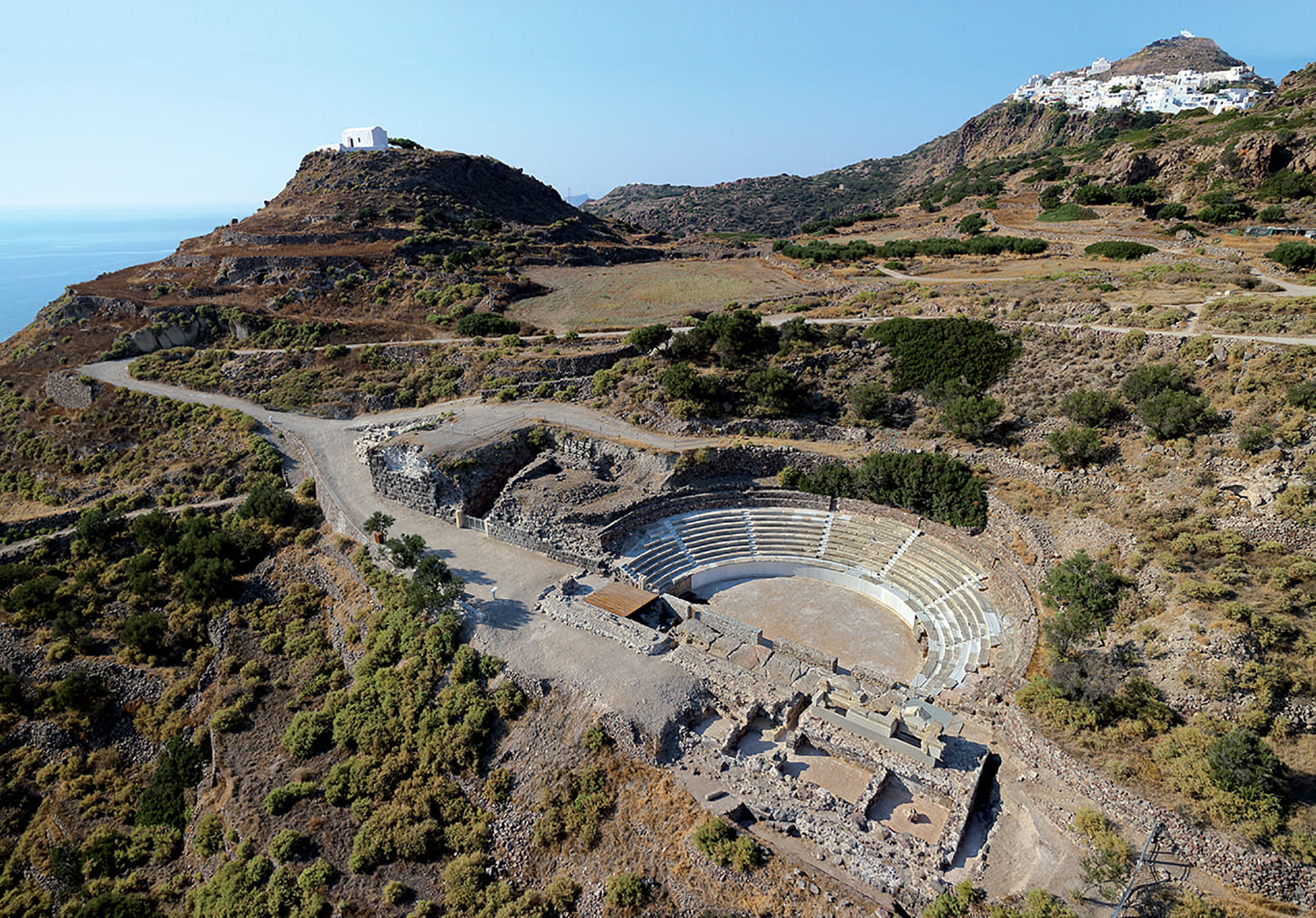
In more recent years, excavations were carried out by the Ephorate of Antiquities of the Cyclades in the periods 1990-1995 and 2010-2015, revealing the side entrance of the western retaining wall, the orchestra-arena and most of the remains of the stage building.
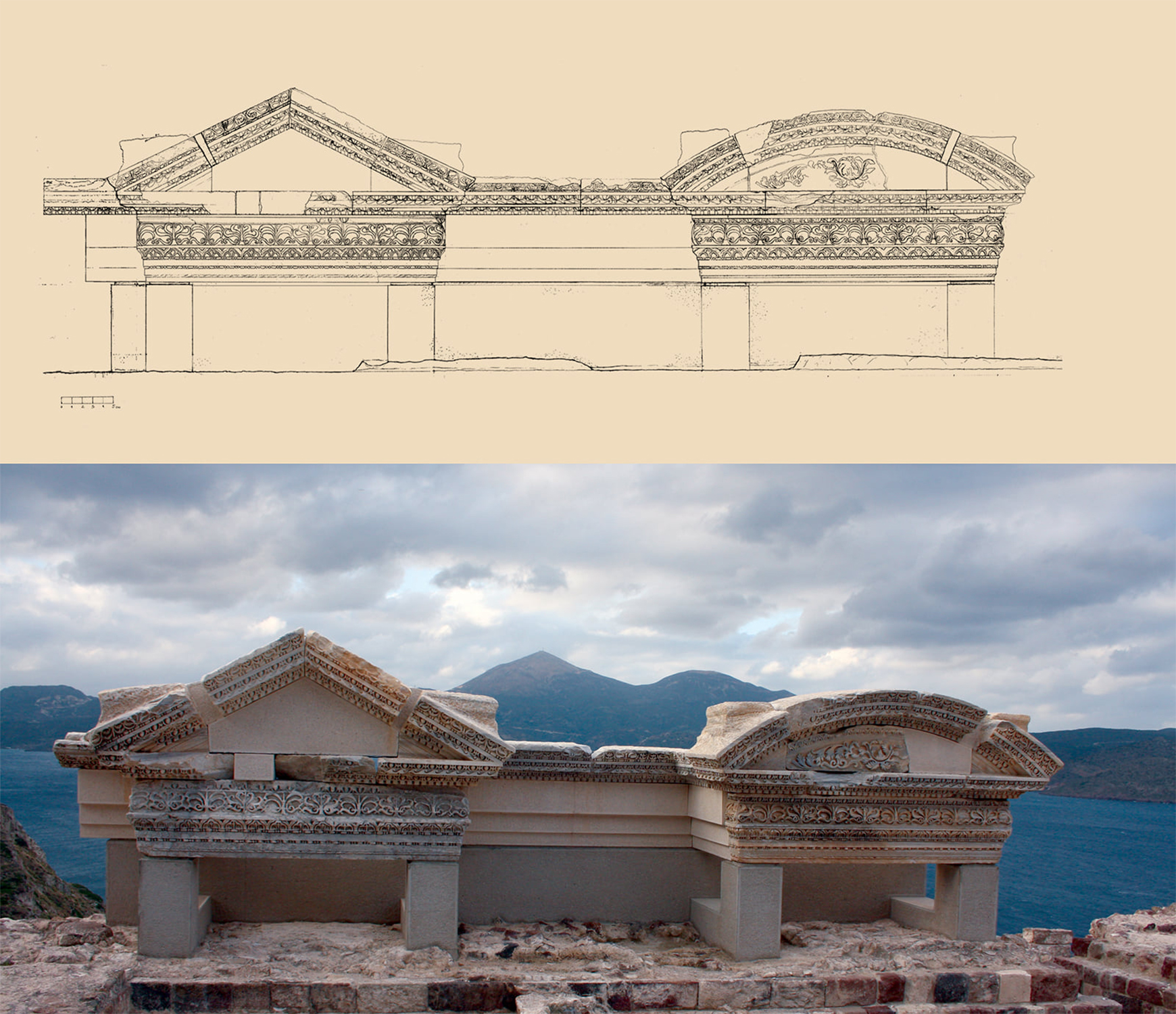
Within the framework of the ESPA project ‘Promotion of the ancient theatre of Melos’, implemented in the years 2010-2015 by the Ephorate of Antiquities of the Cyclades, with supervision of the restoration works conducted by the Directorate for the Restoration of Ancient Monuments, conservation-repair work was carried out on the visible part of the monument, restoration of the proscenium wall and similar interventions in the cavea and the orchestra with the addition of new marble members.
The theatre was built during the Roman period, south of the flat area that has been identified as the city’s agora, west of the stadium and abutting some of the eastern part of the fortification wall. It seems that there was a cemetery here during the Hellenistic period (late 4th-1st centuries BC), remains of which are preserved in the native rock of the proscenium and at the western end of the orchestra.
The theatre was a most expensive project, whose costly construction must have been piecemeal and over a long period of time, with possible phases of remodelling. It ceased to be used in the 4th century AD, but its premises continued to be developed as residences or workshops until the end of the 6th/beginning of the 7th centuries AD. Their construction involved the use of the material of the monument. The tombs opened in the walls of the arena belong to these times, as likely do the two lime kilns, which were built in the orchestra and the proscenium and seem to have operated for several centuries. Even when the theatre was finally abandoned, it continued to supply building material to the island’s inhabitants.
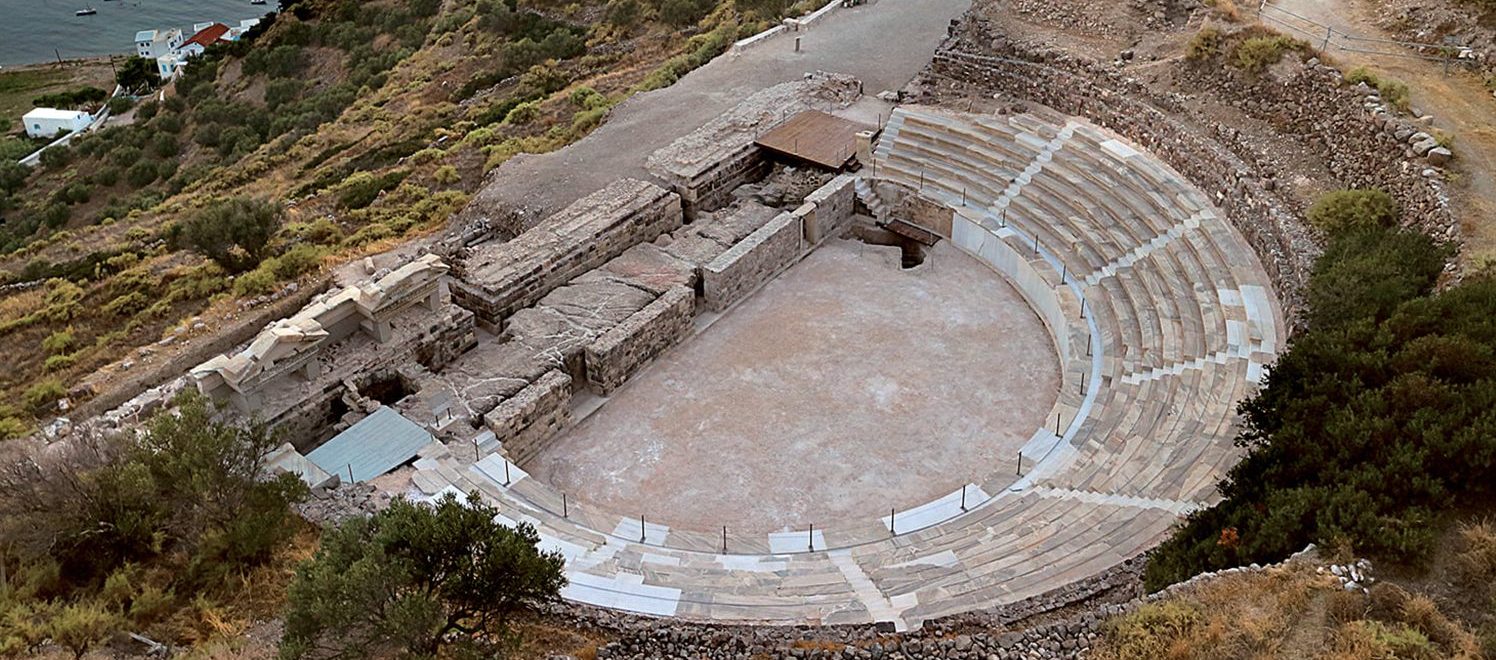
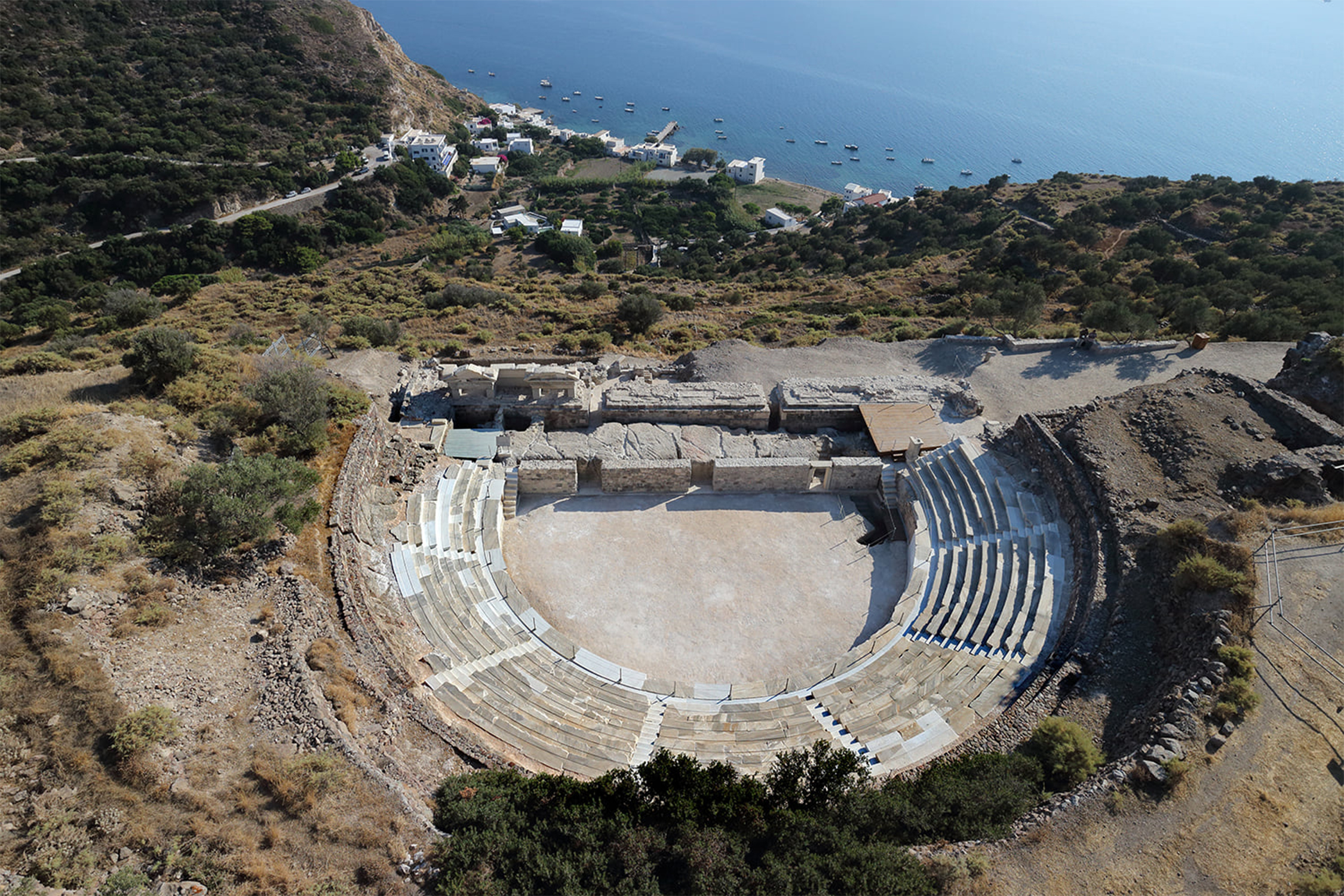
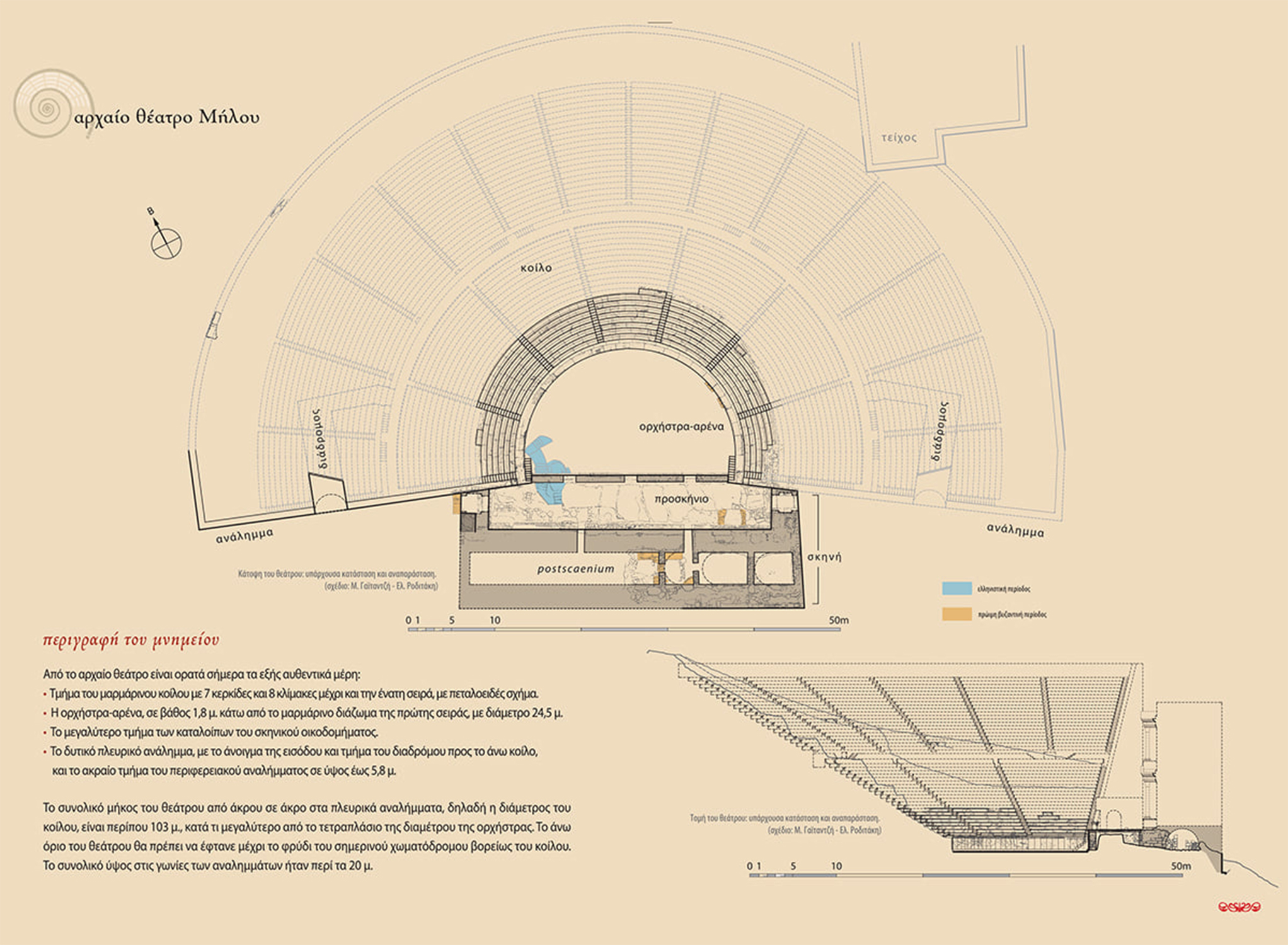
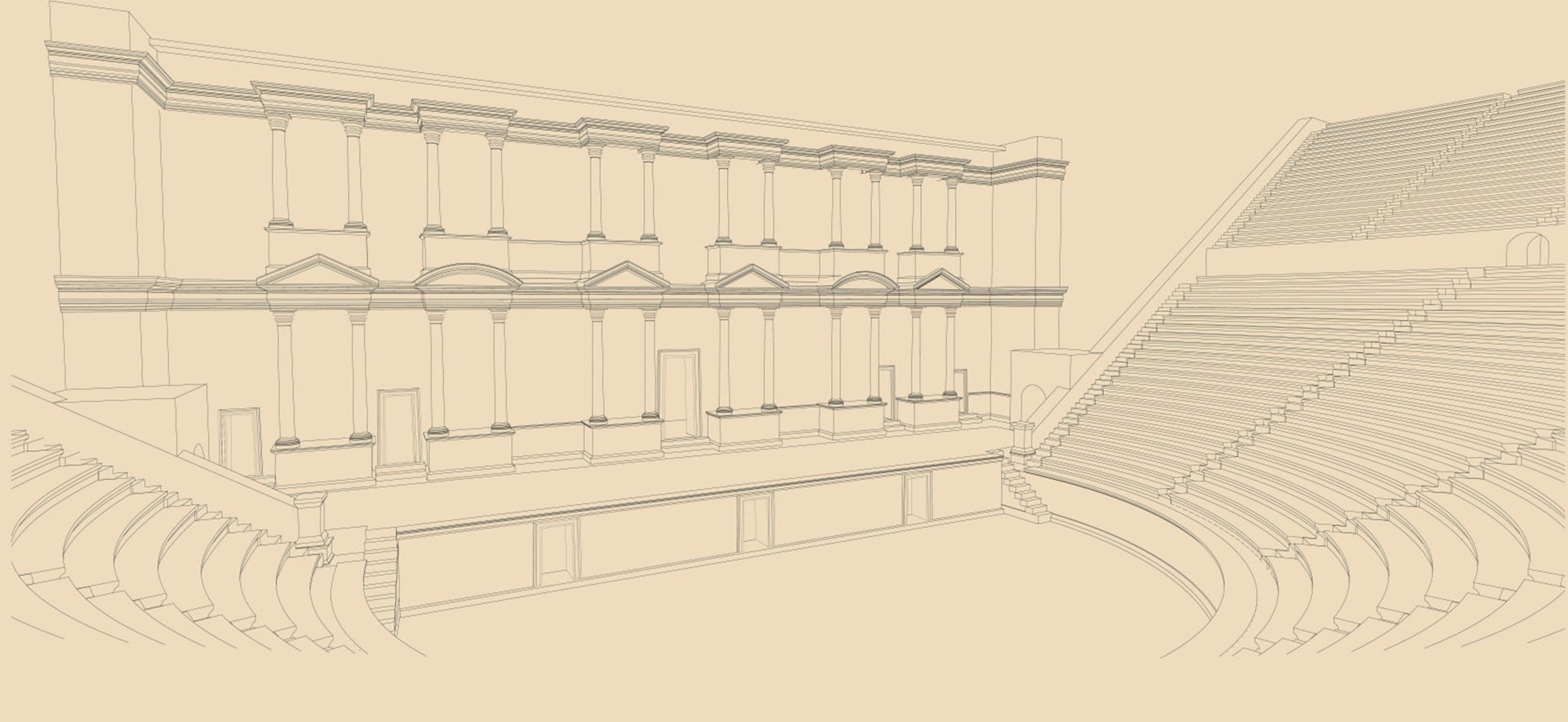
The horseshoe-shaped cavea, the space for spectators, is formed for the most part on the natural slope of volcanic tuff, while its sides are formed by embankments, supported by strong piers, constructed with igneous stone blocks in equal-height rows (opus quadratum) over a core of stone masonry (opus caementicium). Its excavated part, with a capacity for some 800 spectators, is estimated to be about a tenth of the total area. It belongs to the lower part of the theatre, which is divided by eight marble staircases into seven sections (wedges) with marble seats.
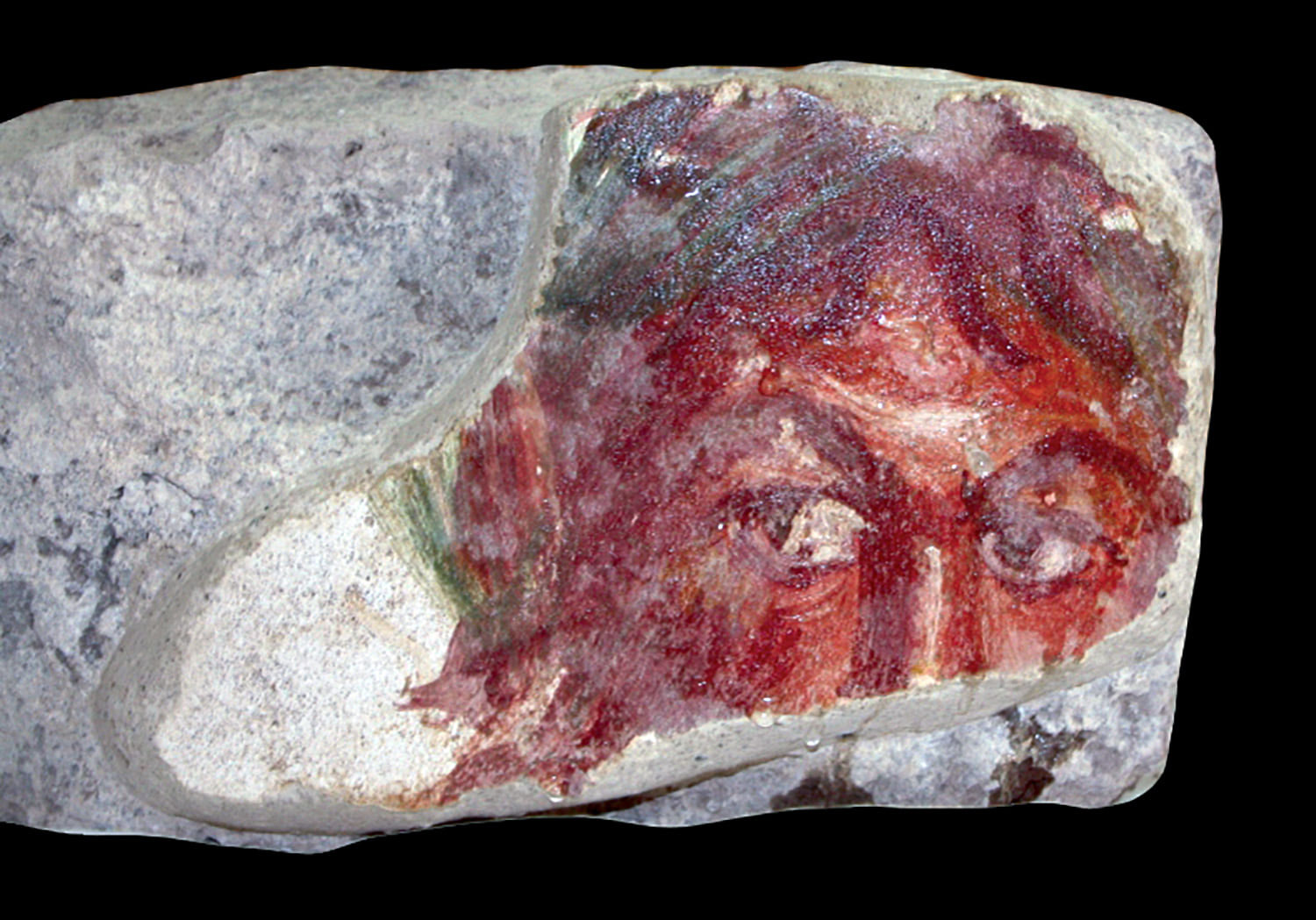
On the south side of the western retaining wall, there opens an entrance with marble pillars, from which the spectators reached the cavea by passing under the stands, along a vaulted and probably frescoed corridor with a staircase. The corresponding eastern corridor has not been uncovered.
The orchestra, a little larger than a semicircle, is set at a depth of 1.60 m below the first row of seats, so that it could be used as an arena for gladiatorial duels or animal fights. Its floor was rammed earth and its perimeter lined with marble slabs.
The stage building probably reached a height of two floors with the lower and deep proscenium in front of it. It is connected to the cavea, giving the building the typical form of the Roman theatre. Its typological and morphological characteristics are matched in the Roman theatres of Asia Minor, which have a flat stage facade with five doors.
The wall of the proscenium’s face (frons pulpiti) is decorated with three openings with marble lintels (the western one survives). Its ends mark two marble stairs leading to the stage (pulpitum), the wooden surface set above the roughly carved tuff, where the actors performed.
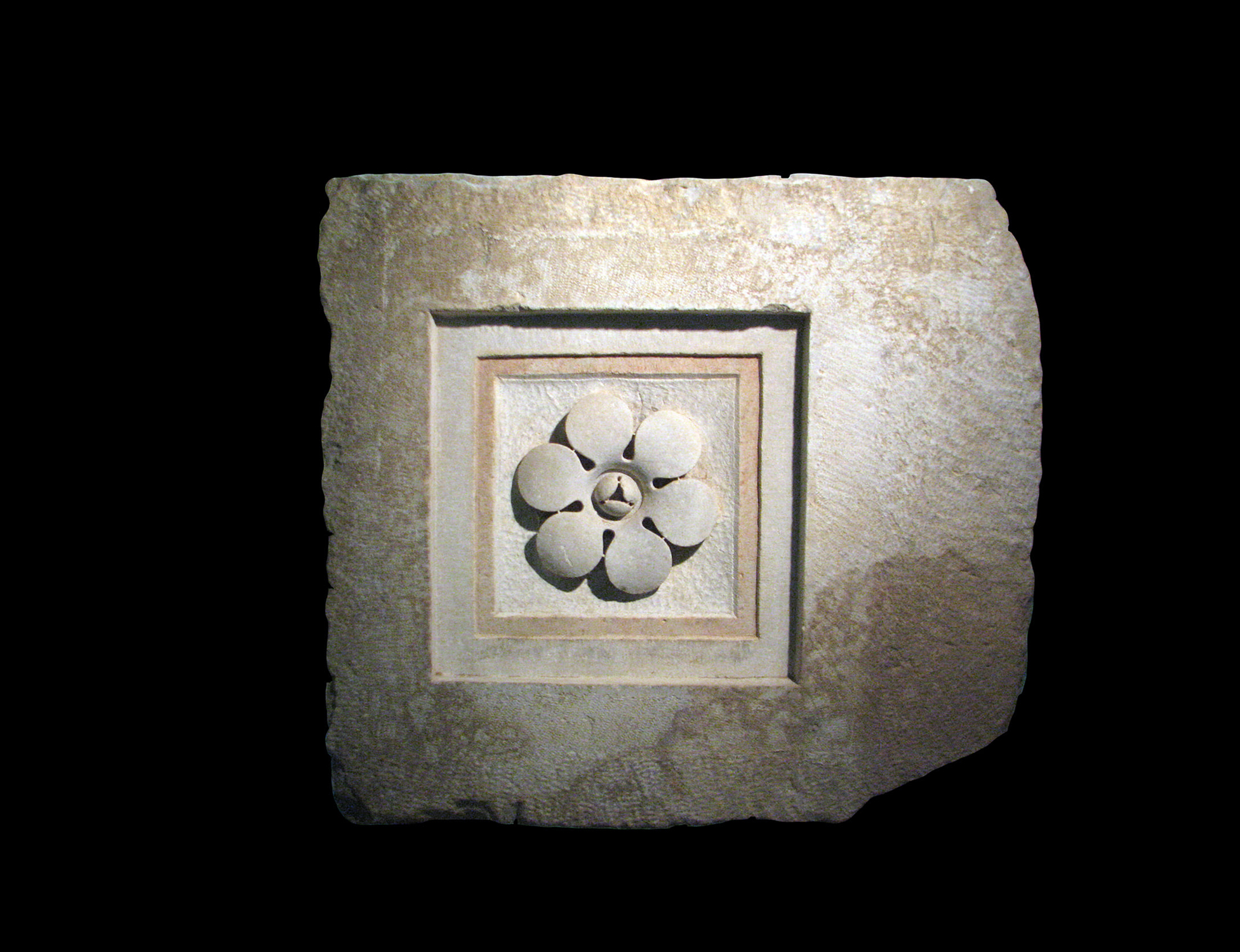
Behind the stage rose the wall of the stage facade (scaenae frons) with particularly rich architectural decoration. The lateral access-routes to the stage, with marble thresholds and marble cladding on the walls, were vaulted, probably with marble arches on both sides. The utility spaces inside the stage (postscaenium), of which the lower level survives, were capped with stone domes.
This monument is a remarkable example of a theatrical building of its time, with characteristics that correspond to the ‘Romanized’ theatres of the eastern provinces of the Roman Empire, whose type was modelled on the Greek theatre.