

Syros, which ancient writers call by its current name, belongs to the Ionian Cyclades. The Athenian Hippomedon is mentioned as its first settler. During the 6th century BC, it came under the control of Samos. The natural philosopher Pherecydes, who was Pythagoras’ teacher, is also associated with the island. After the Persian Wars, Syros joined both the First and Second Athenian Leagues. During the Roman era, after the destruction of neighbouring Delos by Mithridates and the pirates of Athenodorus (second half of the 1st century BC), it experienced a notable development due to its important port and so became a centre of transit trade.
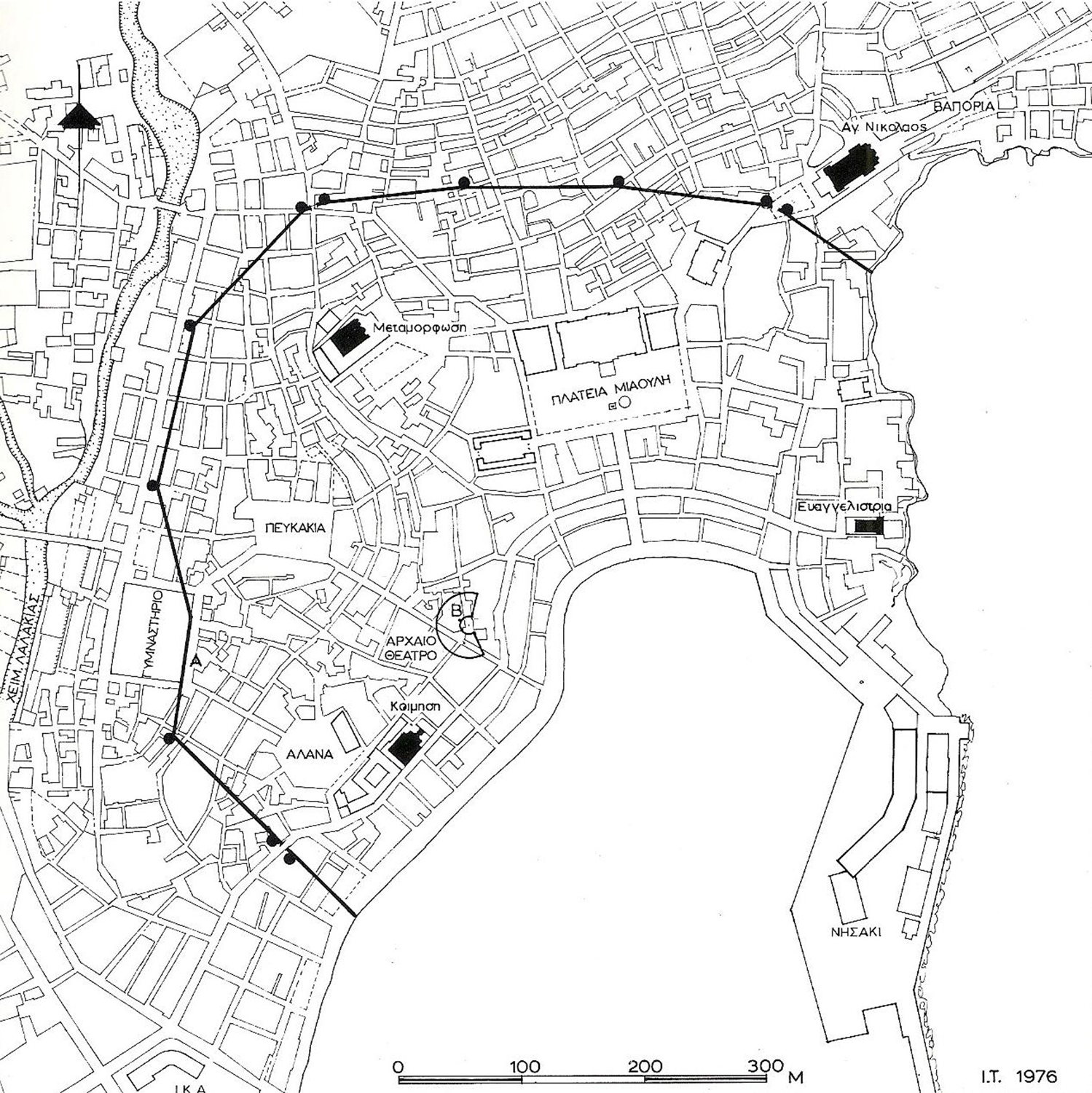
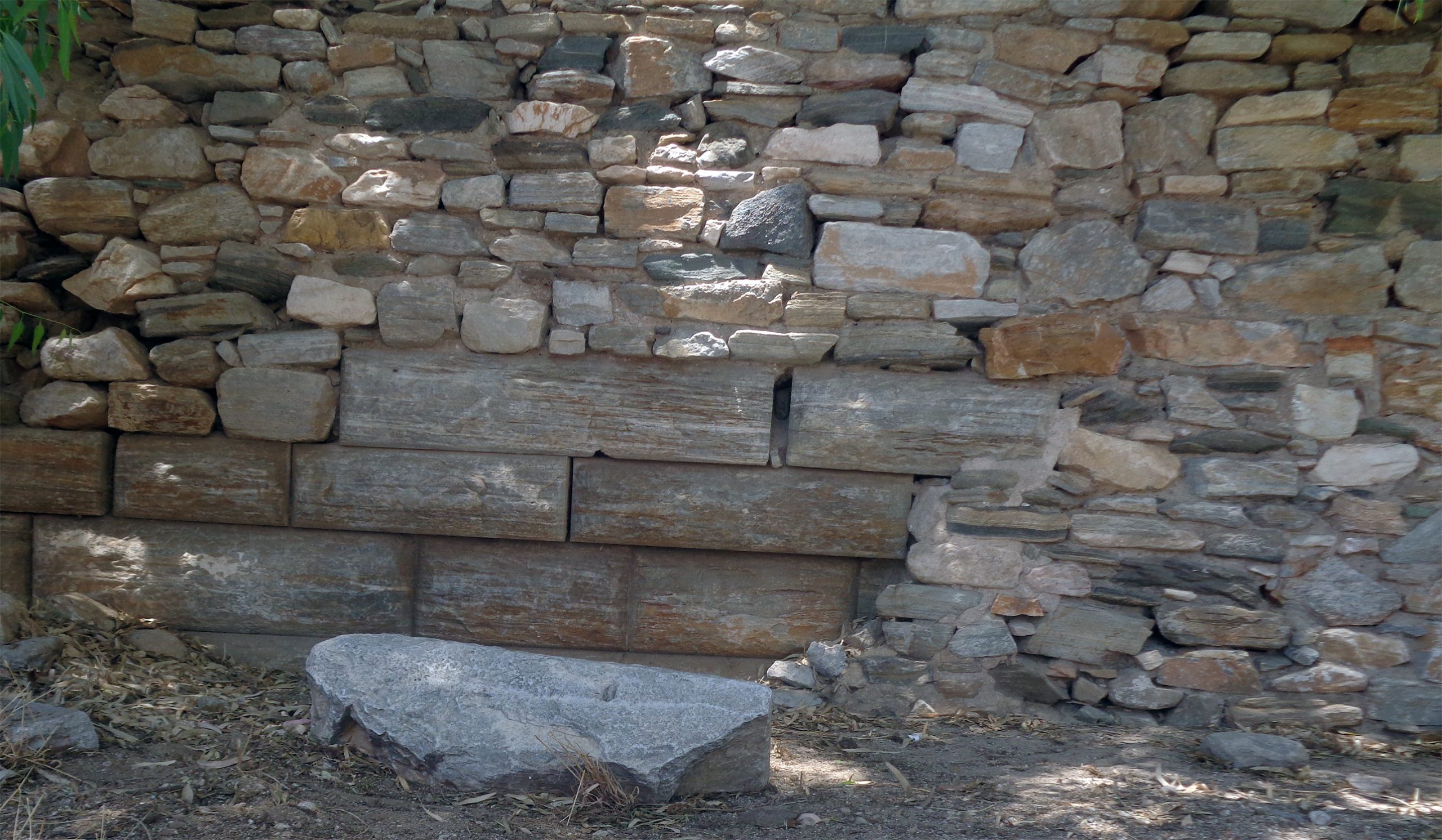
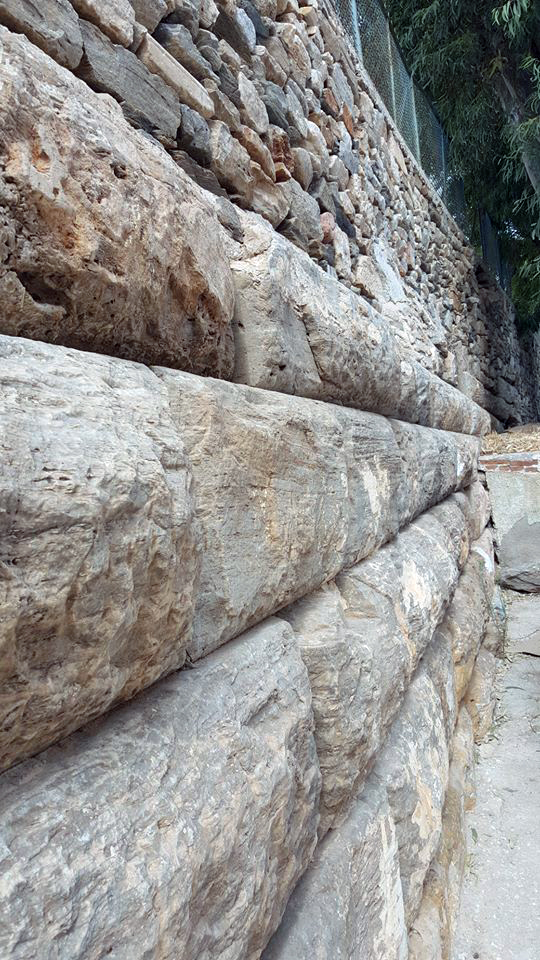
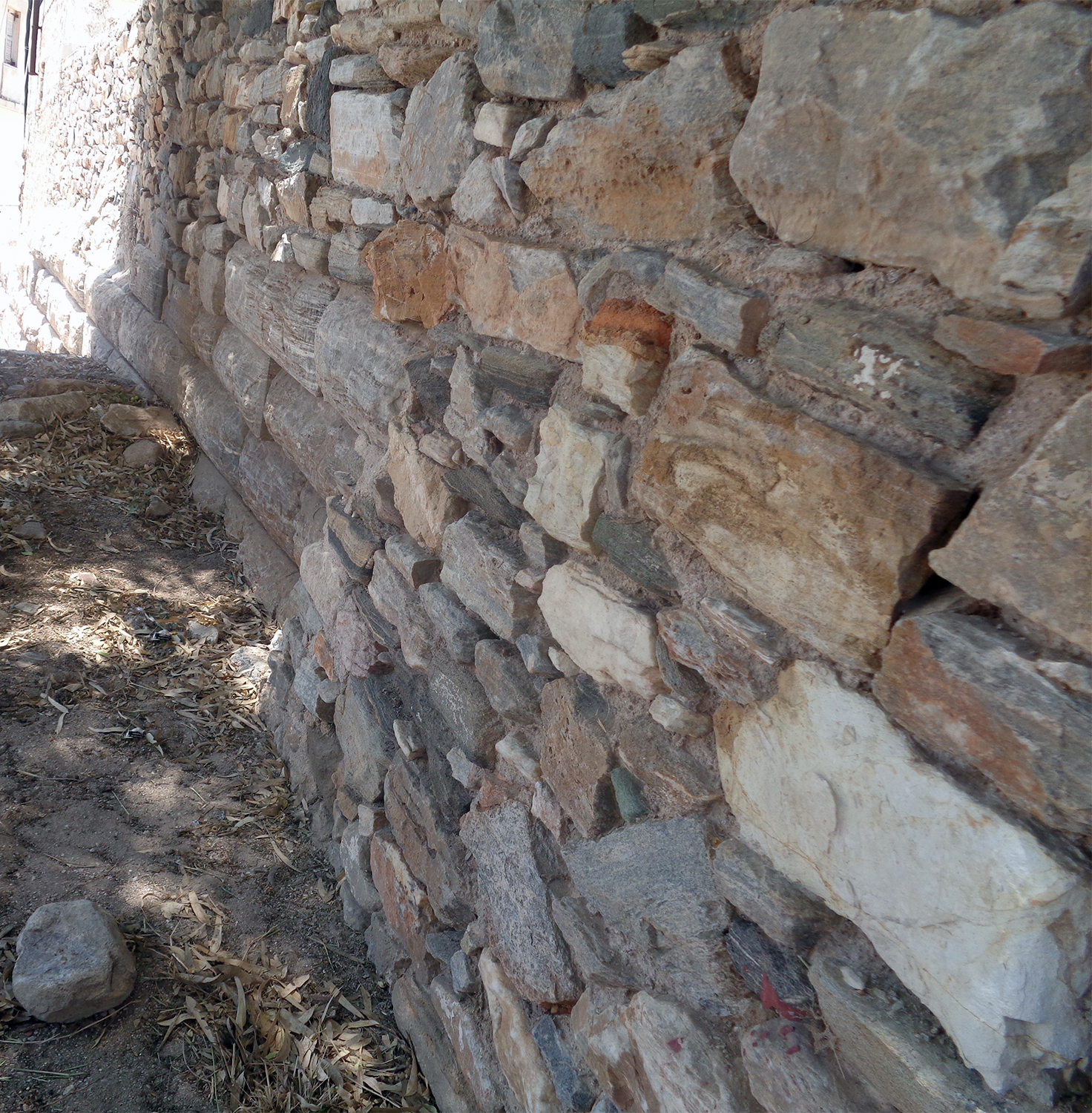
The ancient city of the same name was located on the site of today’s Ermoupolis, whose dense urban structure covered its ruins, with the exception of the fortifications constructed at Pefkakia (area ‘Katailymata’) where part of a strong enclosure is preserved, which probably belongs to the acropolis of the ancient city. Also, parts of theatre or odeion seats are preserved in the basement of a house in Ermoupolis. The archaeologists L. Ross and Ph. le Bas, who visited Syros between 1831 and 1843, mention two sanctuaries known from inscriptions, of Poseidon and Amphitrite to the south of the port, and of Athena Phratria in the area of the Church of the Assumption. In 1855, during the excavation of the Municipal Market, in the south-west corner of Miaouli Square, architectural remains were found that were attributed either to a bath-house or to a Sanctuary of Isis. Inscriptions, coins and reliefs have been found from time to time.
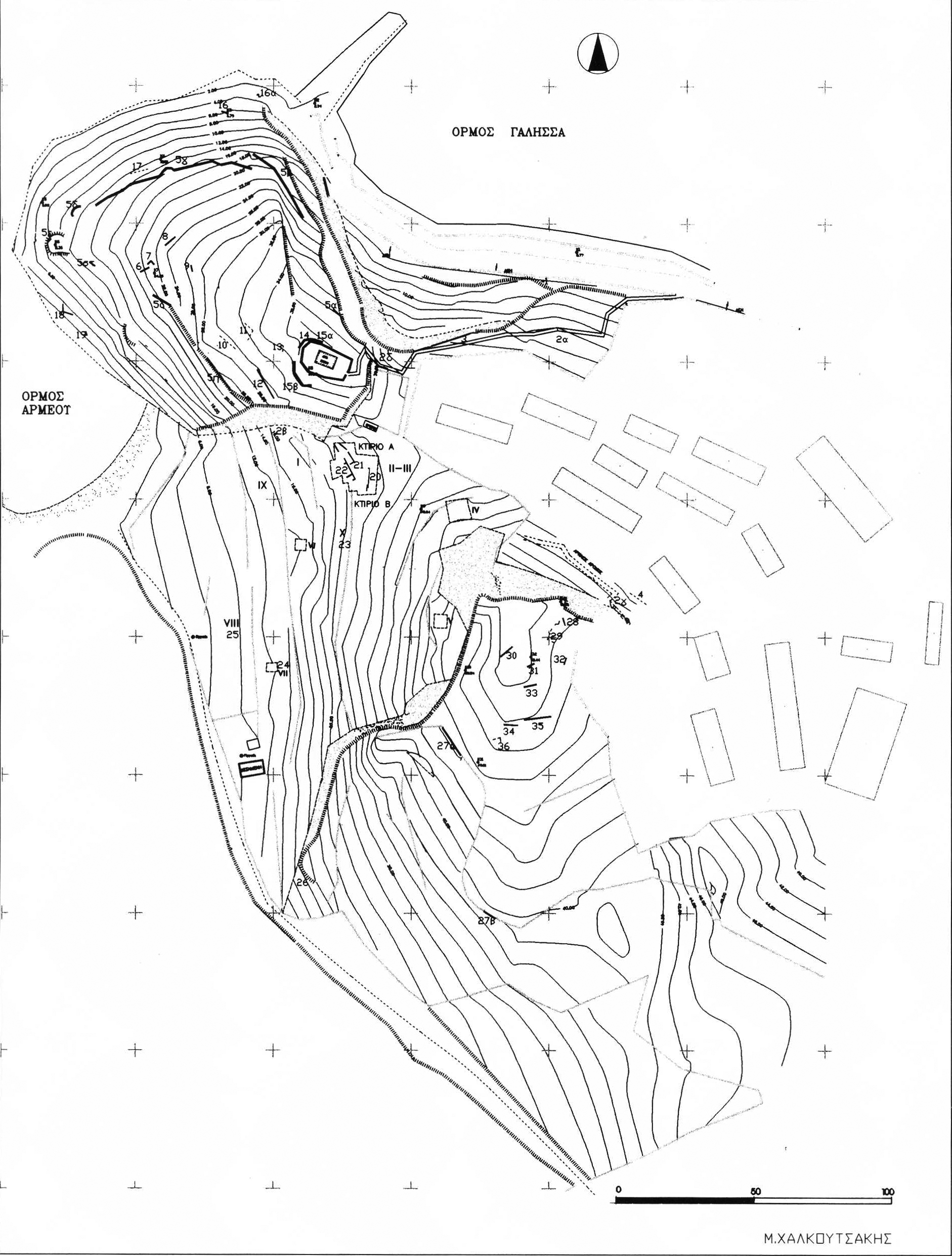
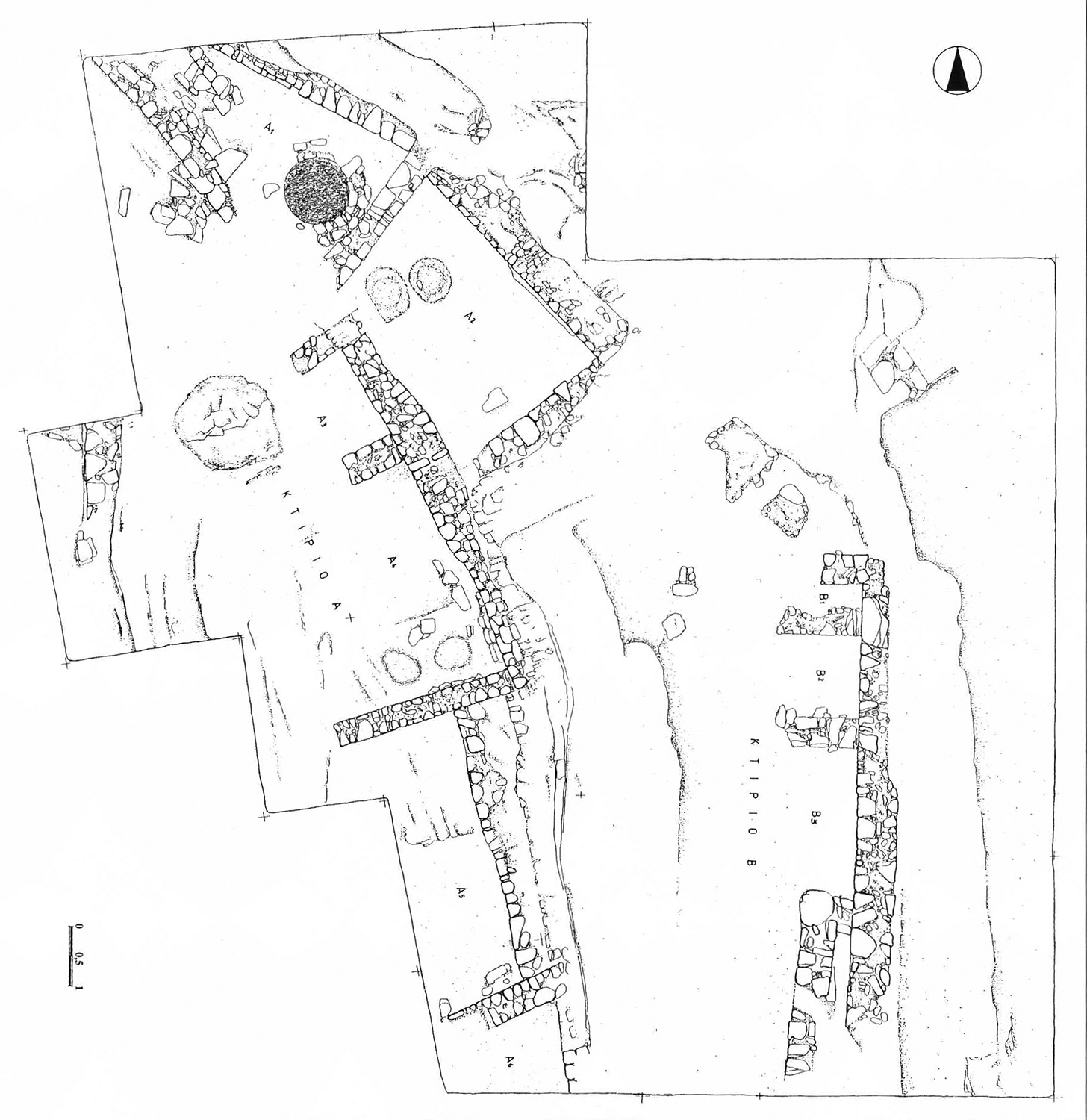
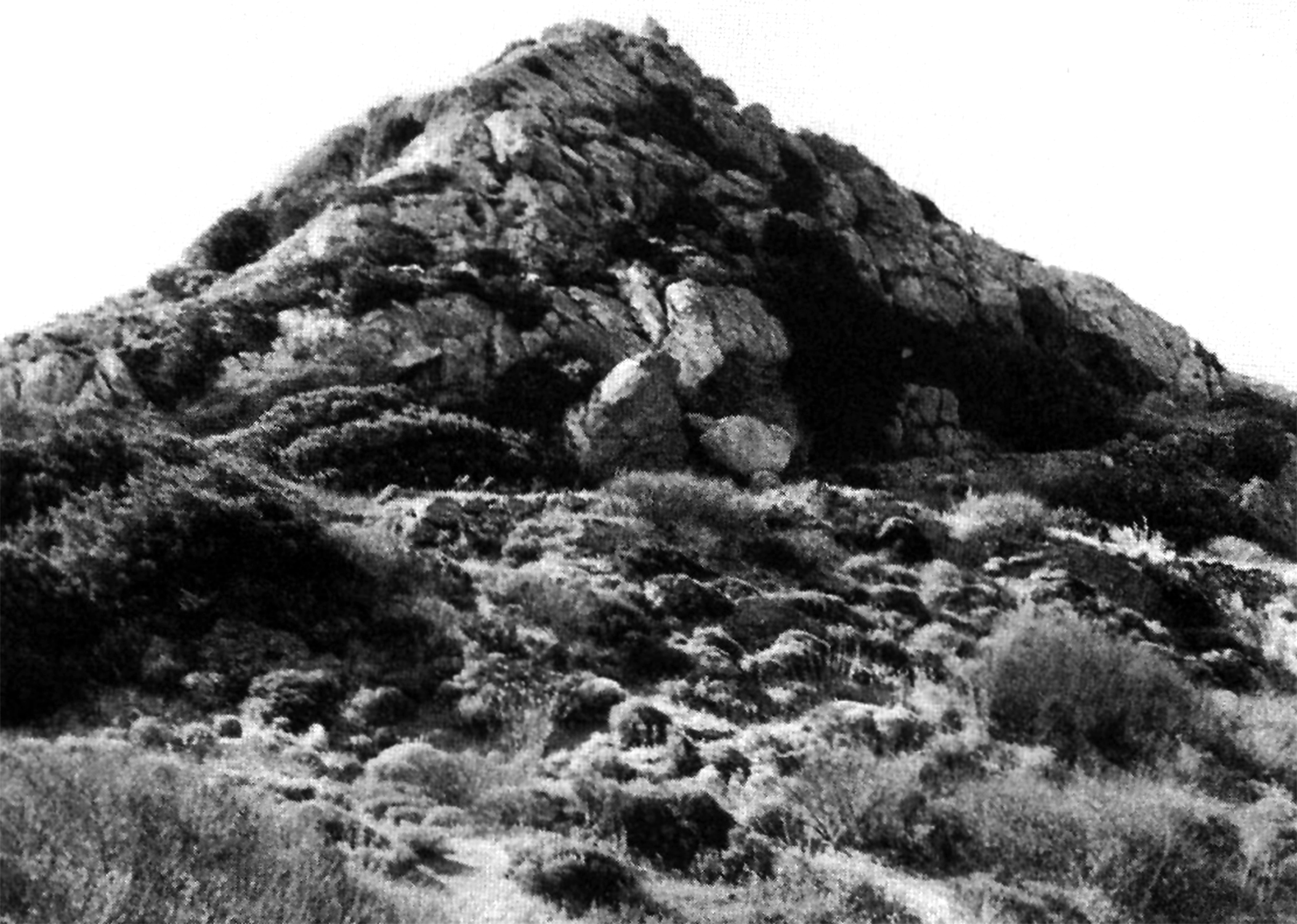
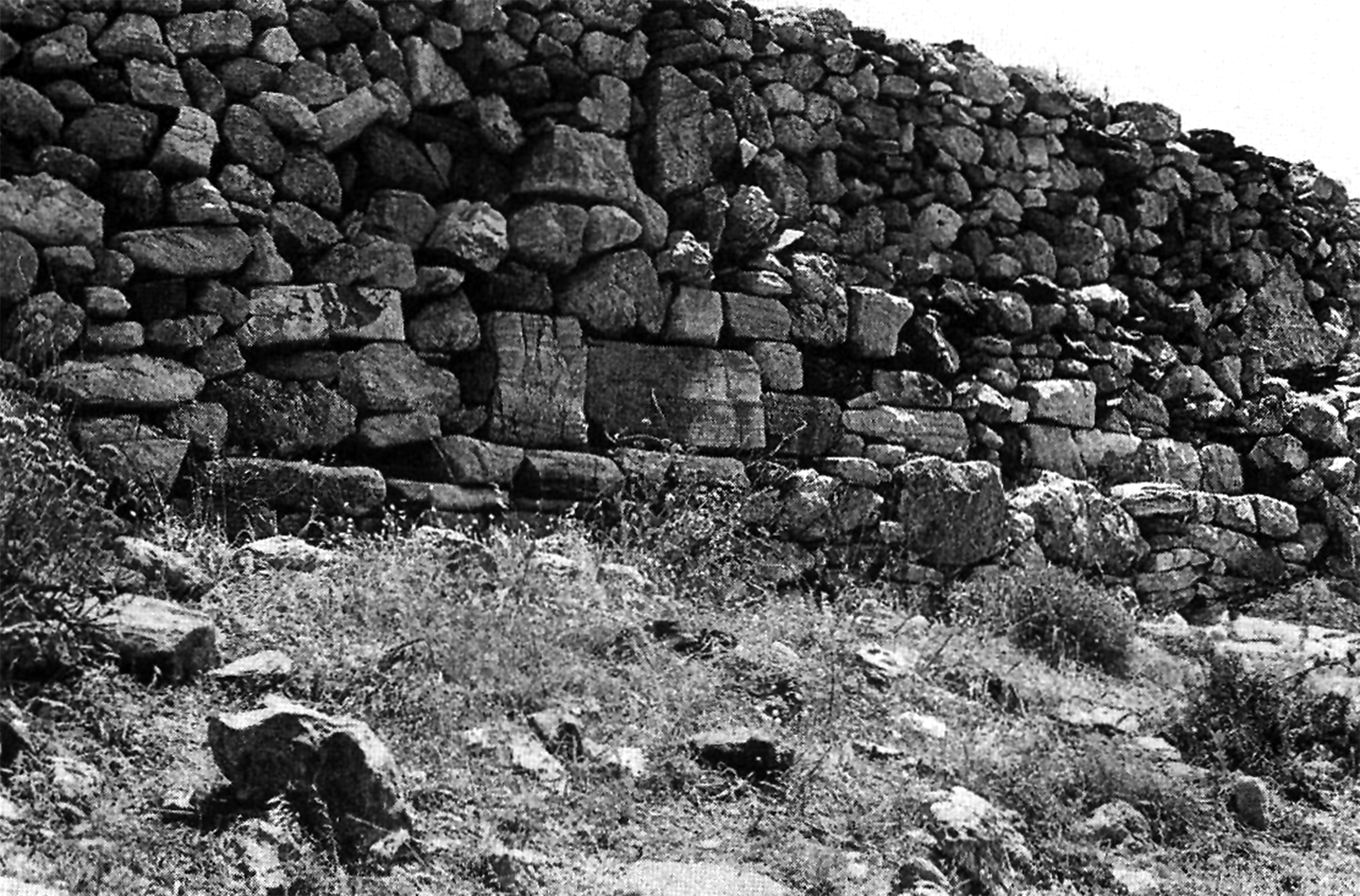
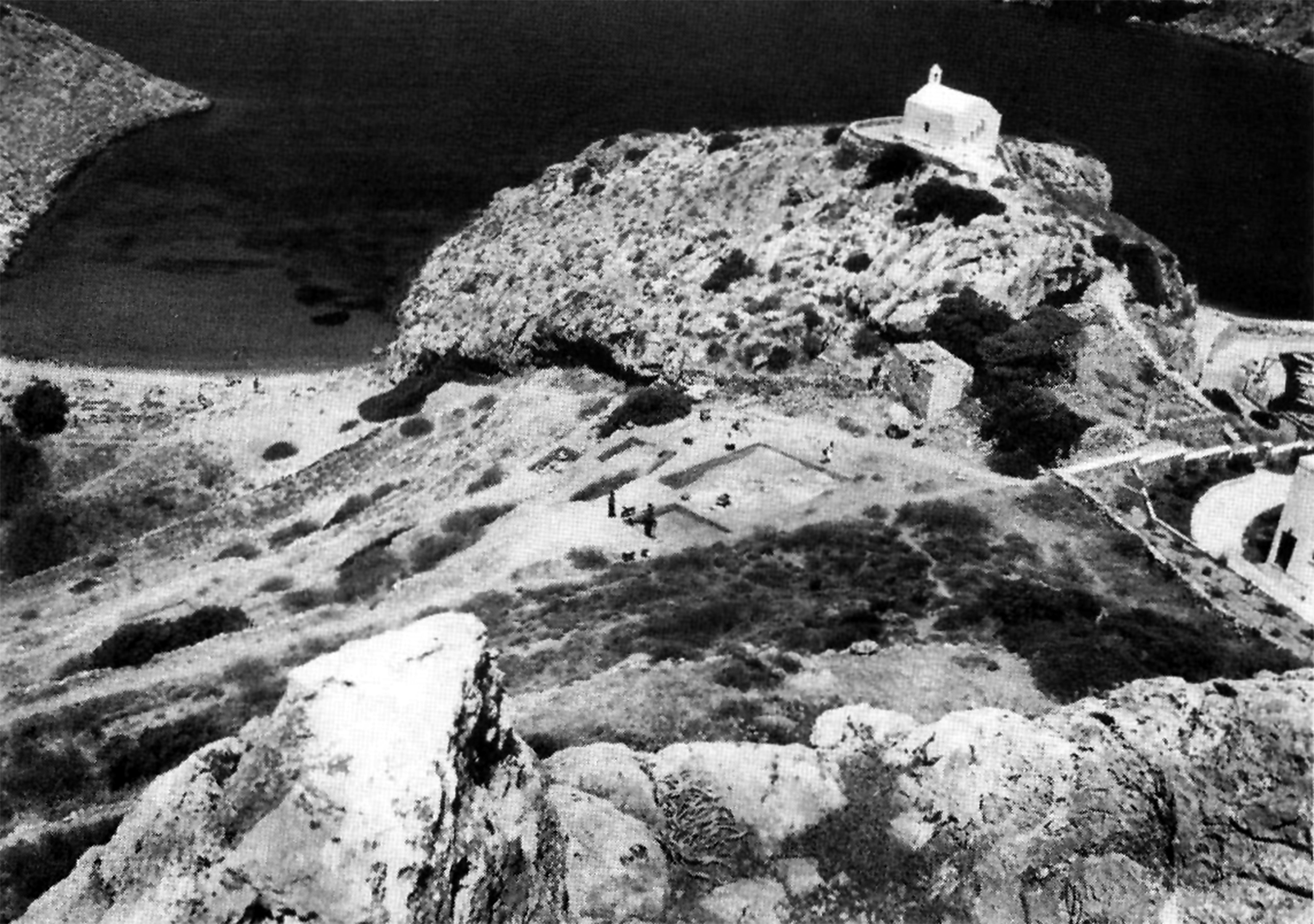
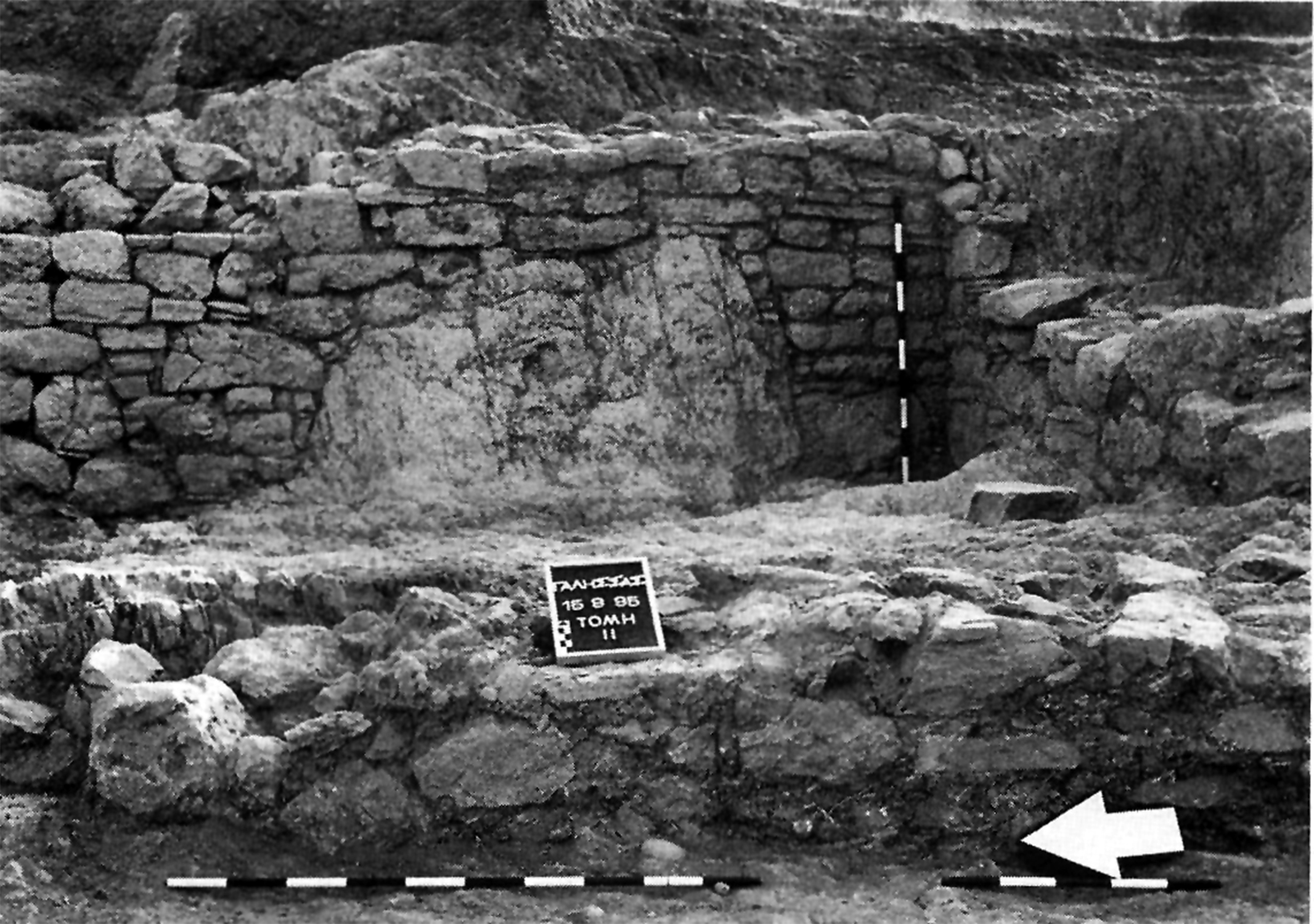
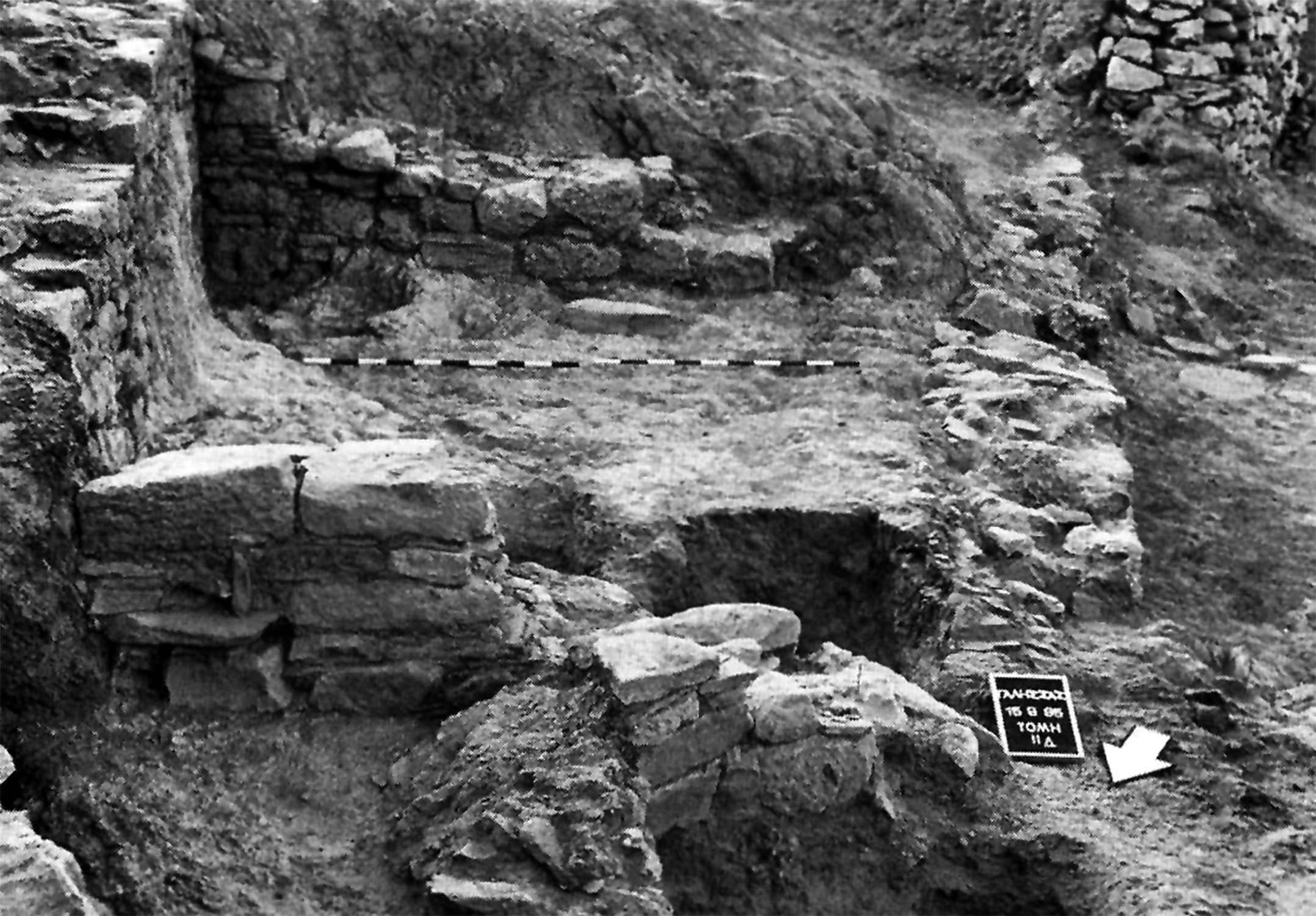
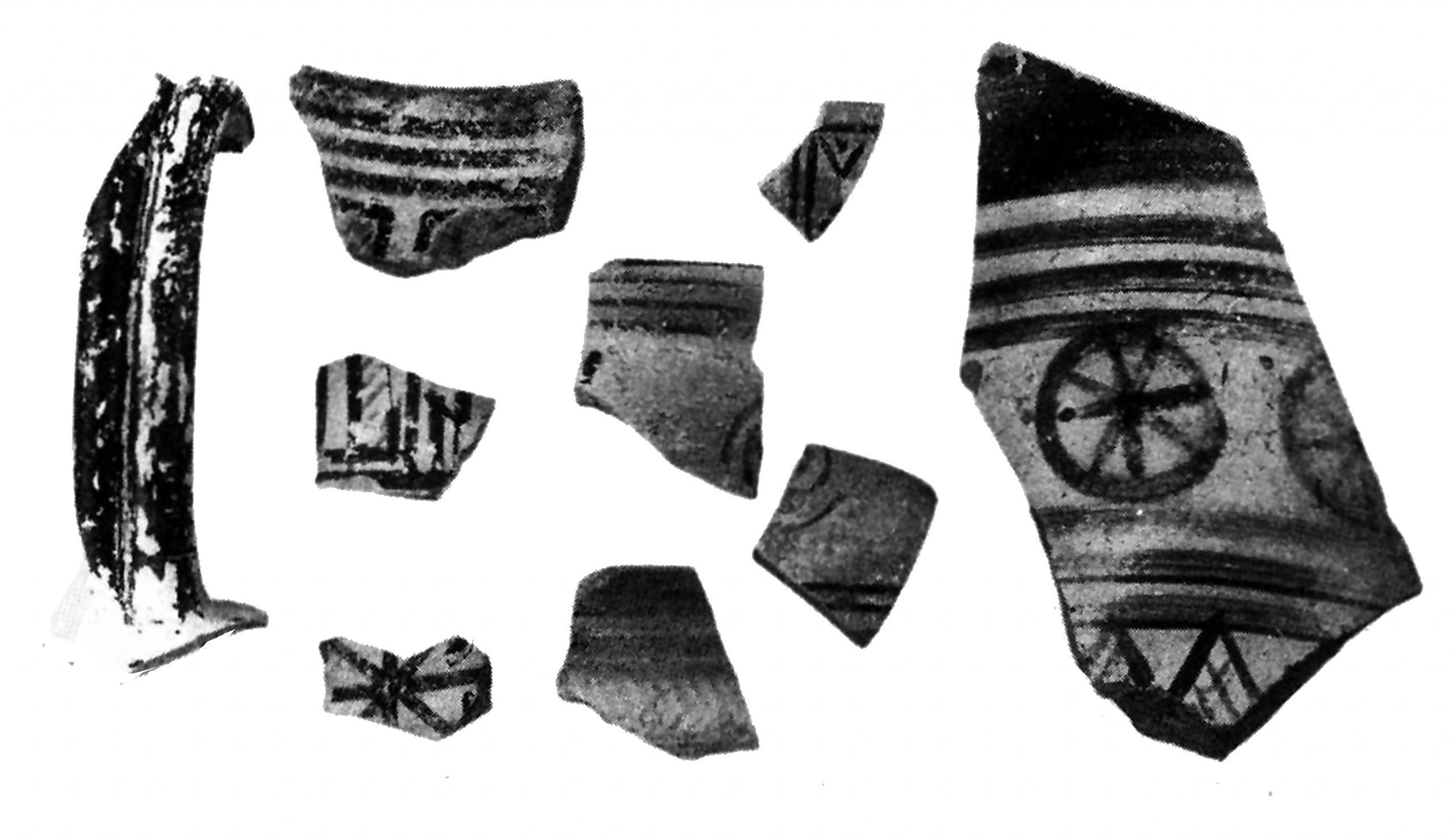
The Gulf of Galissas in the southwest of the island is divided into two leeward bays (the Gulf of Galissas to the north and the Gulf of Armeou to the south). Here excavations have shown that there was a second ancient city, probably called Galissas. Between the two bays are the hills of Agia Pakou and of Vounaki where the ancient city is located: this comprises two fortified acropolises, a settlement both inside and outside the acropolises and two natural harbours in the bays of Galissas and Armeou. At the top of the hill of Agia Pakou there was a circular building (tower) on the remains of which the church of Agia Pakou is built. From the finds made, it appears that the city had a lifespan from the Geometric to the Classical periods (4th century BC).