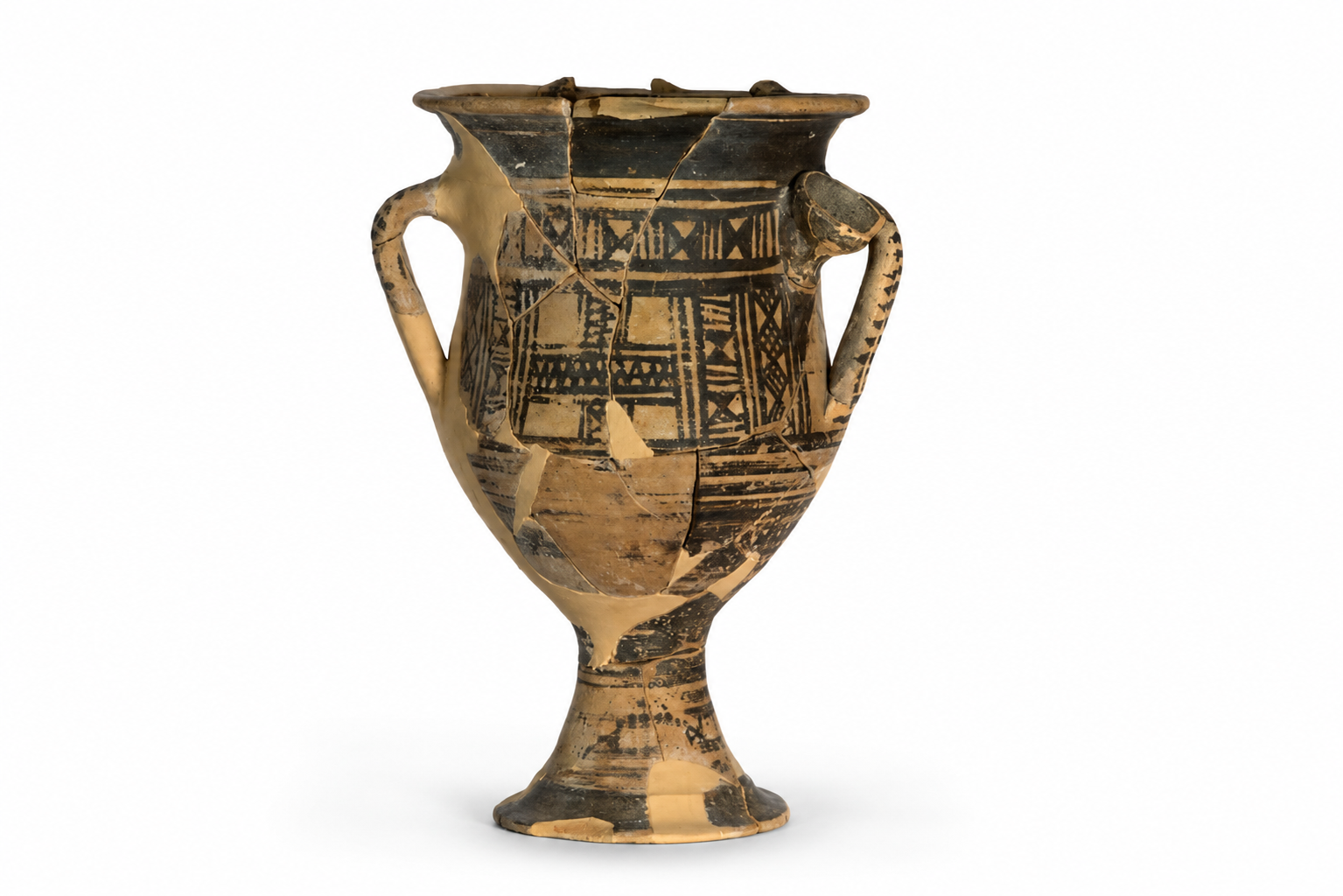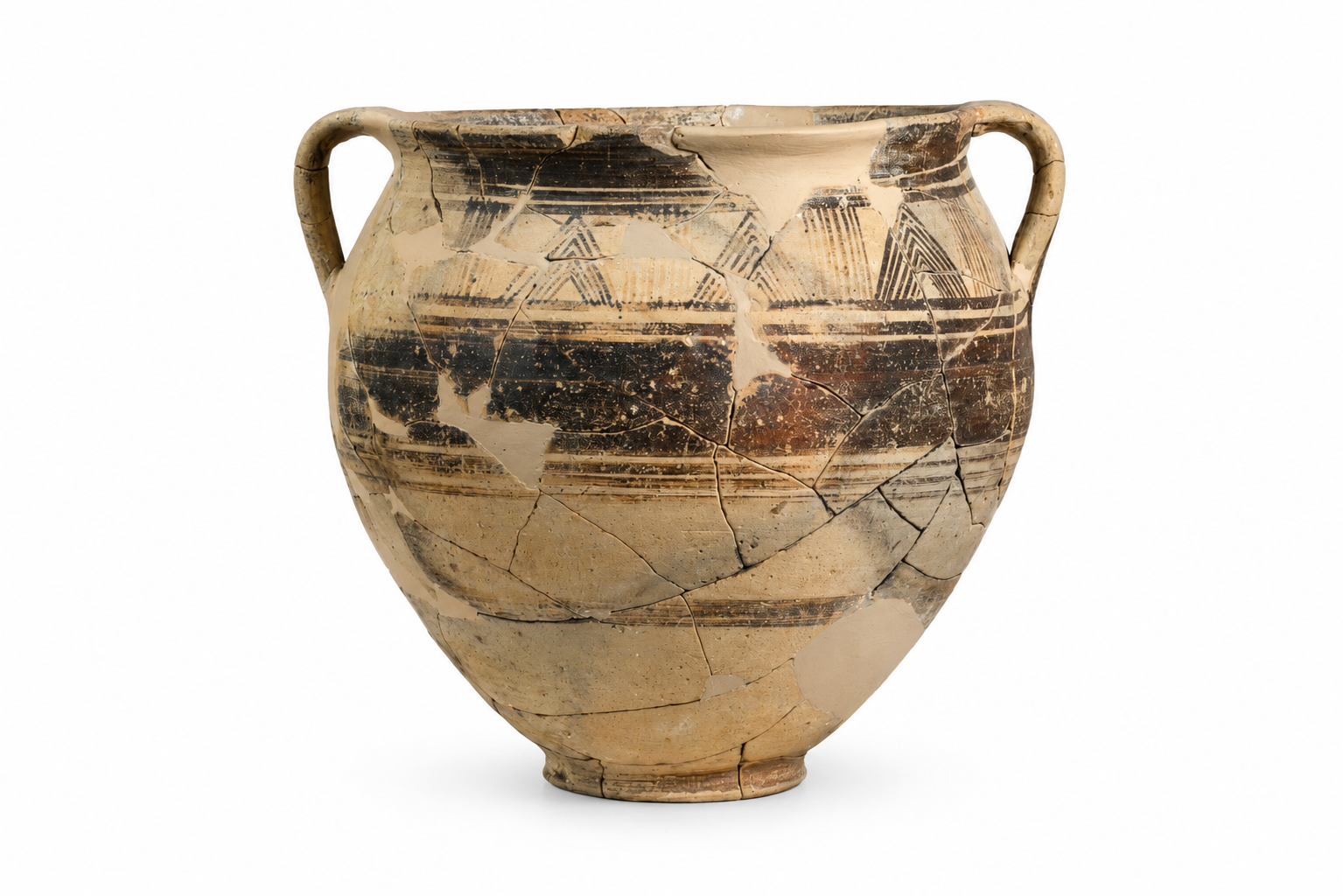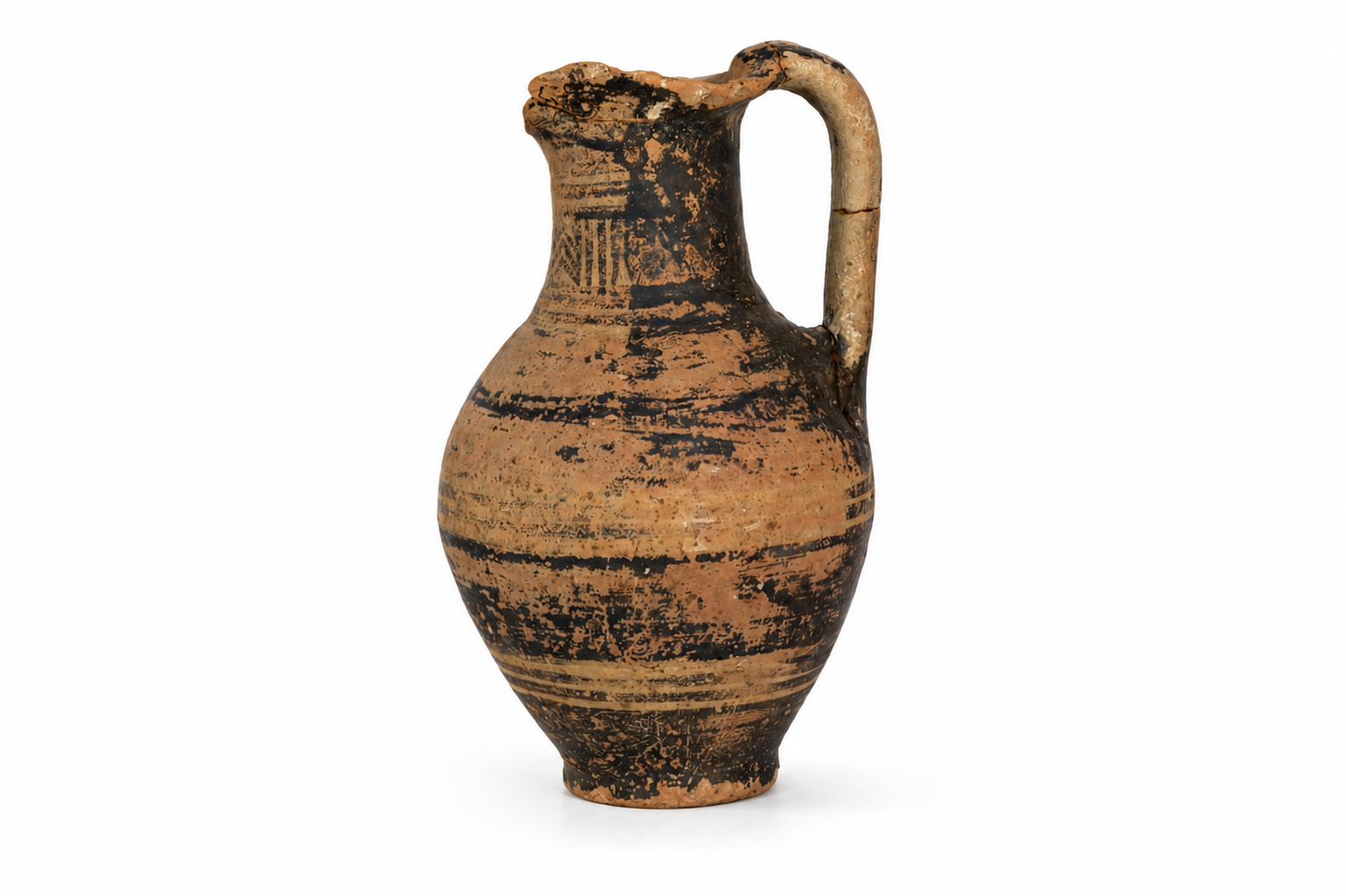


A Geometric settlement on the sea routes of the Aegean.
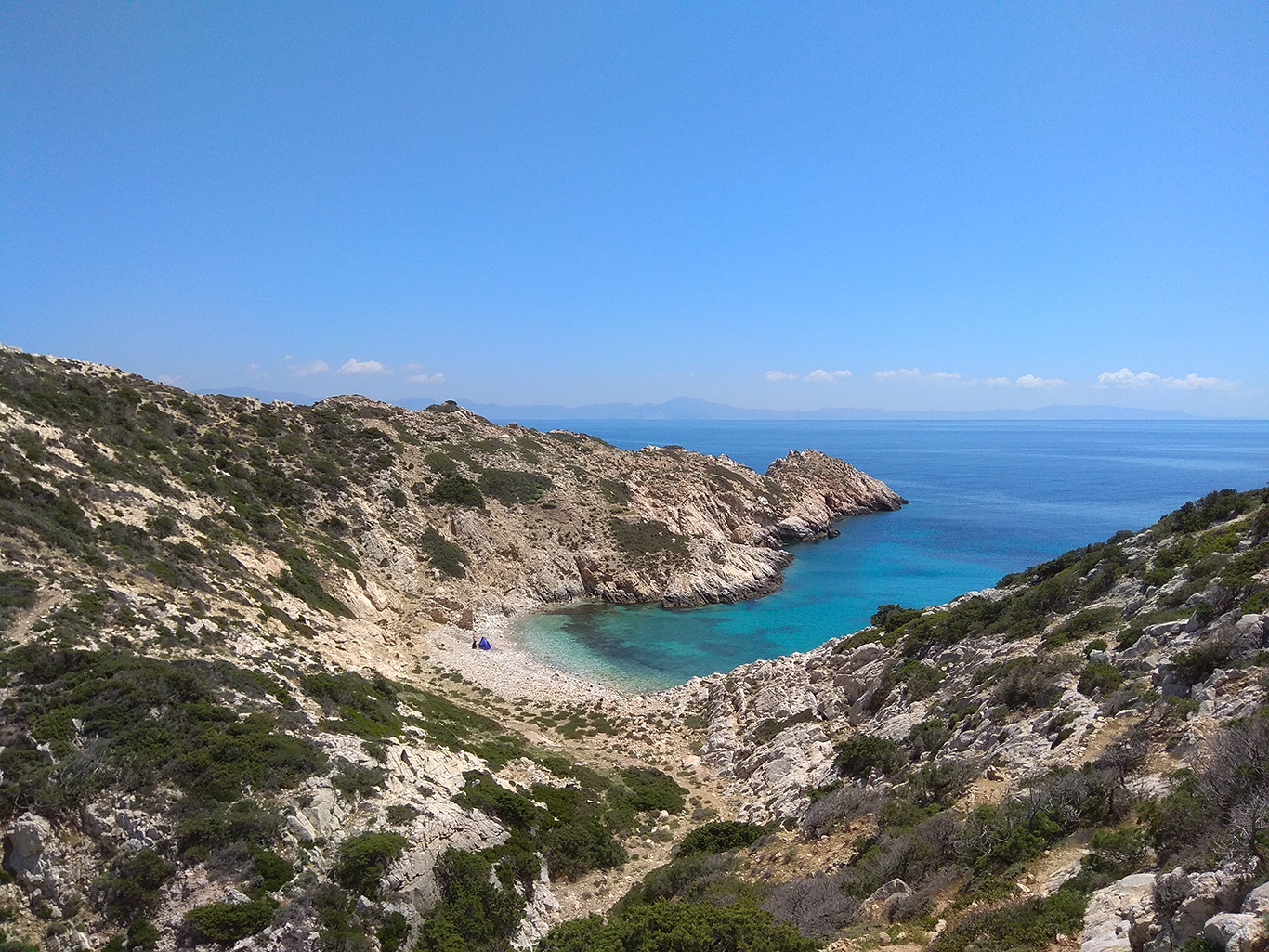
Donoussa, at the eastern end of the Lesser Cyclades, occupies a strategic point on the sea routes of the central Aegean. Its geographical position encouraged the continuous habitation of the island from the Early Cycladic period, while during the Geometric period an important fortified settlement developed in Vathy Limenari.
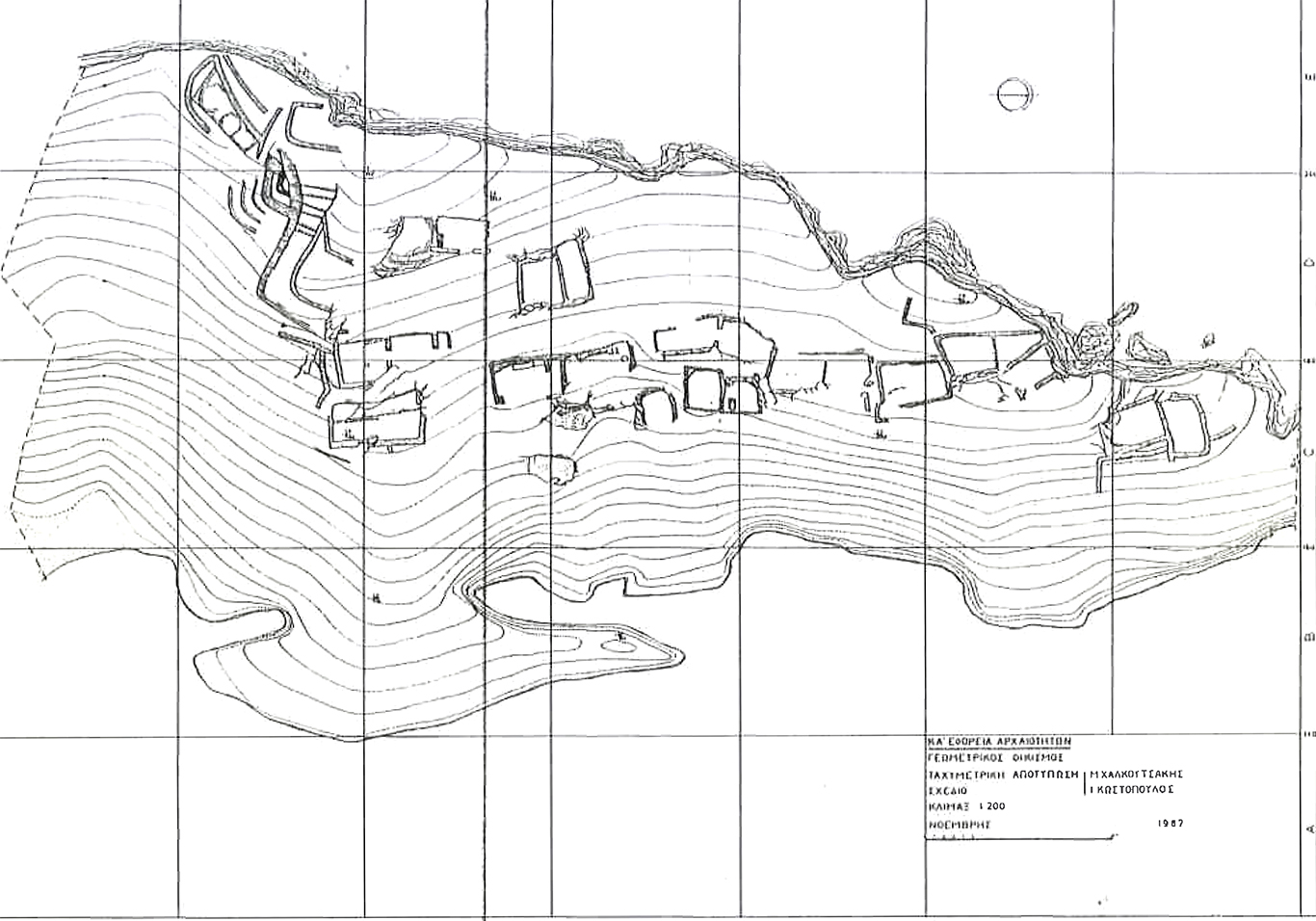
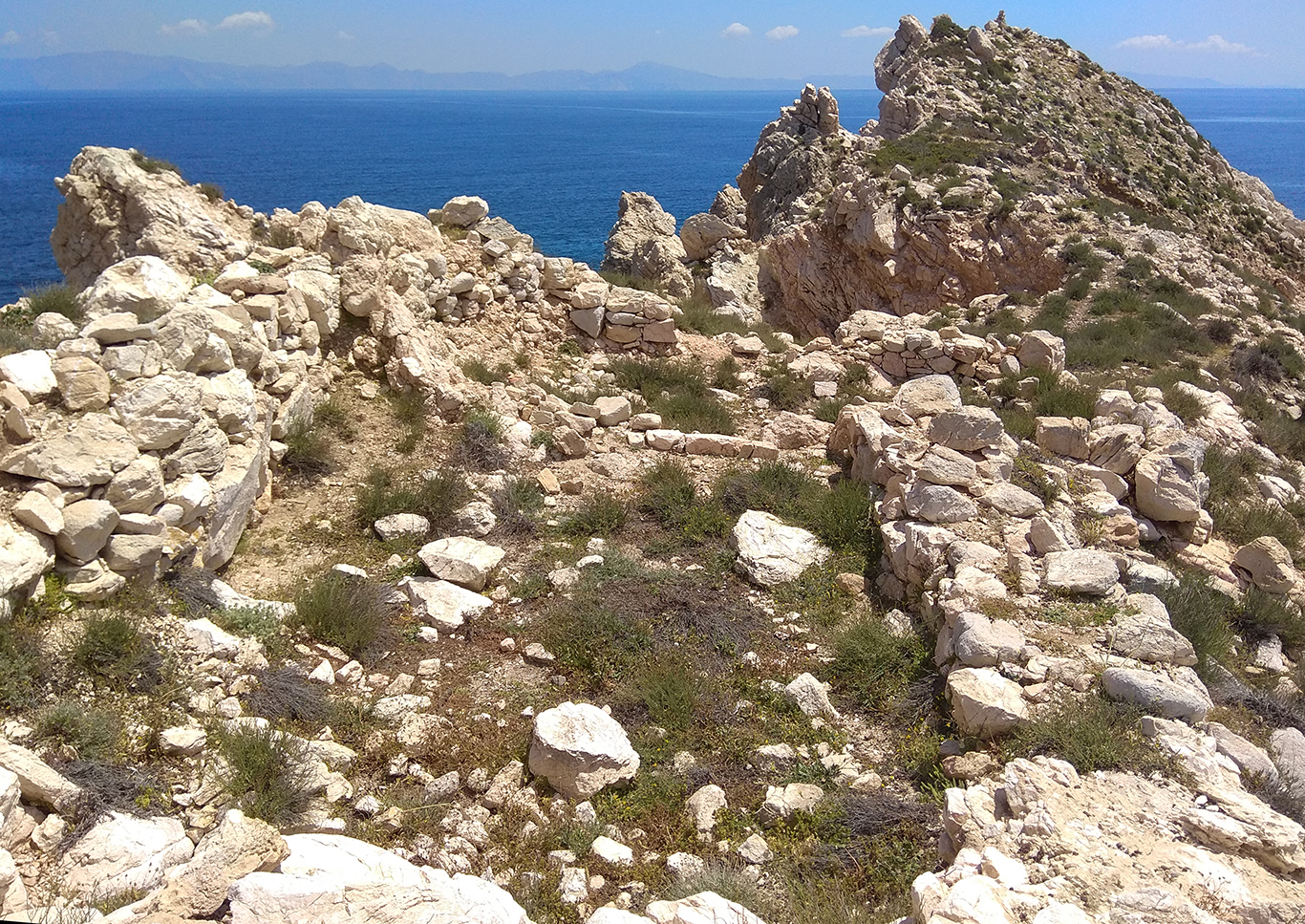
The settlement was founded in the second half of the 9th century BC on a steep-sided promontory, next to a protected bay that provided a safe anchorage. Its fortification, the organized arrangement of the dwellings and the remains of the defensive wall testify to a location designed with particular care for the protection and control of the only easy access from the land side. Although it was inhabited for a relatively short period of time, it is the earliest known fortified settlement of the Geometric period in the Cyclades.
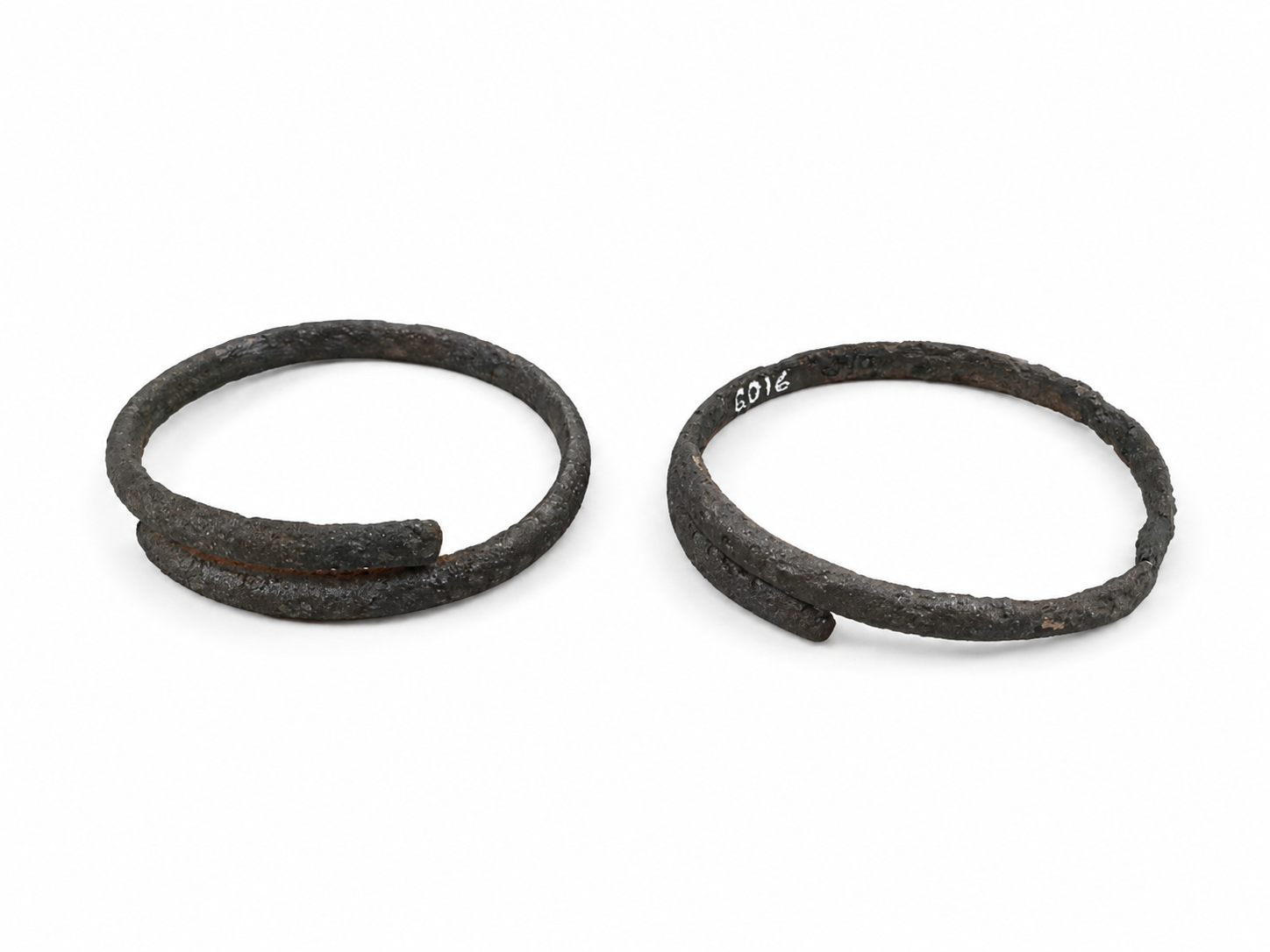
The pottery and other finds of the settlement reveal that its inhabitants had access to an environment of intense cultural contacts. The presence of vessels with characteristics of Cycladic, Naxian and Parian workshops, as well as others demonstrating influences from Euboea, the Peloponnese, the Dodecanese and the northern Aegean, all show that Donoussa actively participated in the networks of communication and exchange of the Geometric world. At the same time, the finds related to daily life, personal adornment and weaponry complete the picture of a small but dynamic island community.
The strategic location of the settlement, the safe anchorage, its fortification and the archaeological finds have led to the interpretation that Vathy Limenari functioned as a coastal way-station. Although its exact function remains a subject of scholarly debate, its importance for understanding the maritime networks of the Geometric Aegean is undeniable.