

A ceremonial and transit centre of the Lesser Cyclades
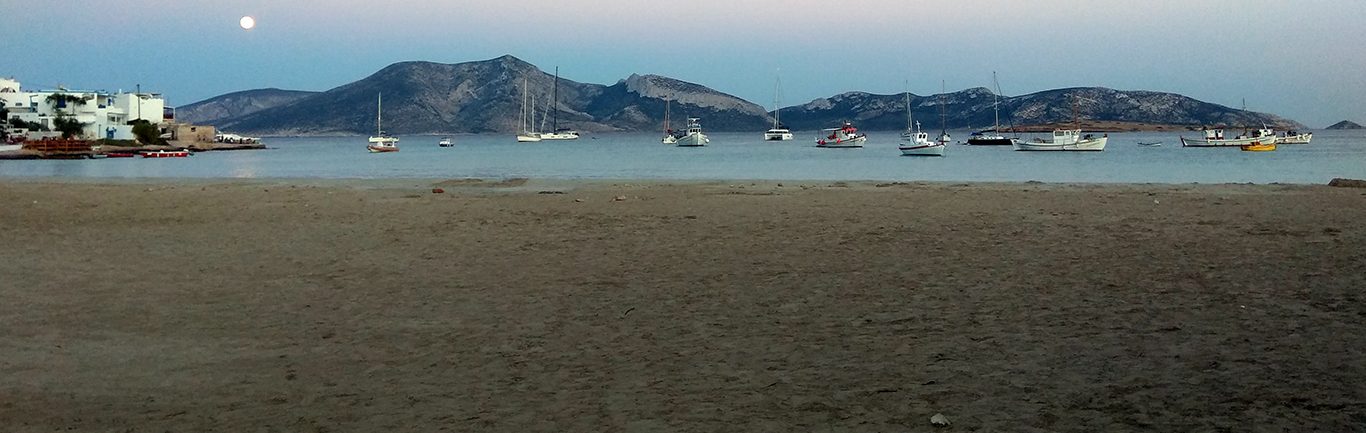
Keros, in the Lesser Cyclades complex, is one of the most important prehistoric archaeological sites in the Aegean. Despite the serious disturbance of the site by extensive looting activity during the mid-20th century, systematic archaeological research has allowed the documentation and interpretation of the site. Together with the neighbouring islet of Daskalio, it forms a unique archaeological complex, revealing important aspects of the social organization, ritual practices and maritime communication networks of the Cycladic communities during the 3rd millennium BC.
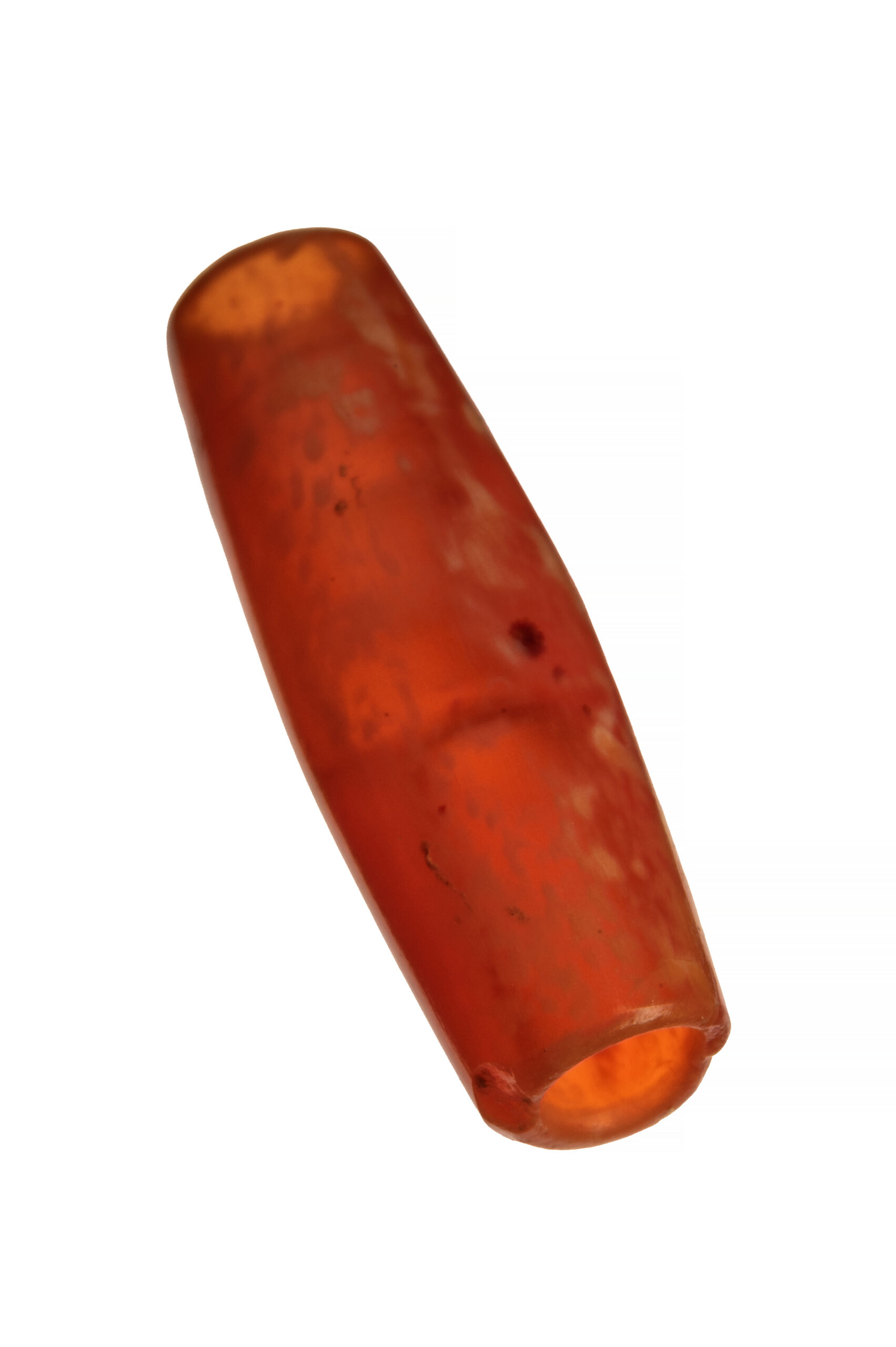
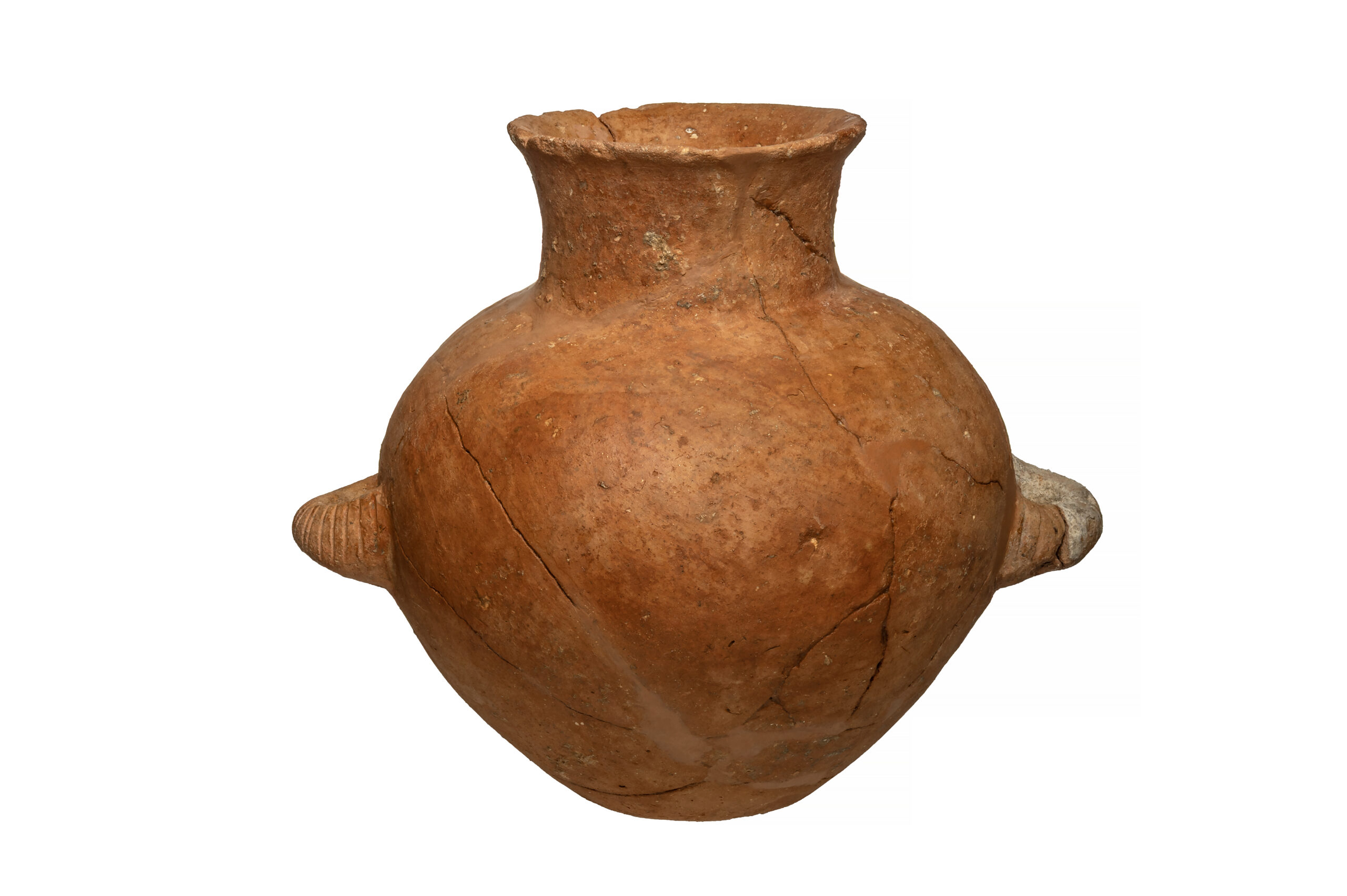
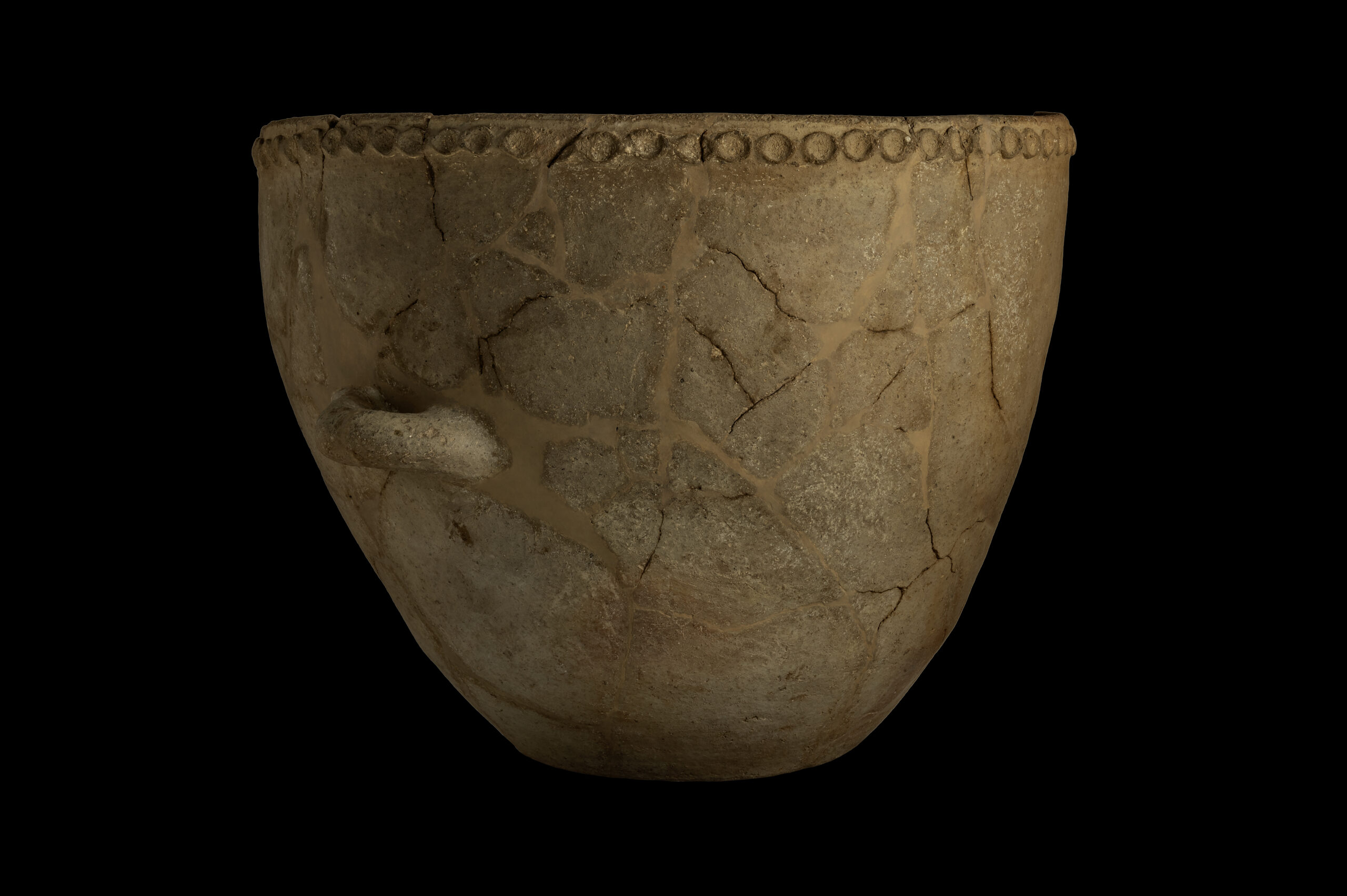
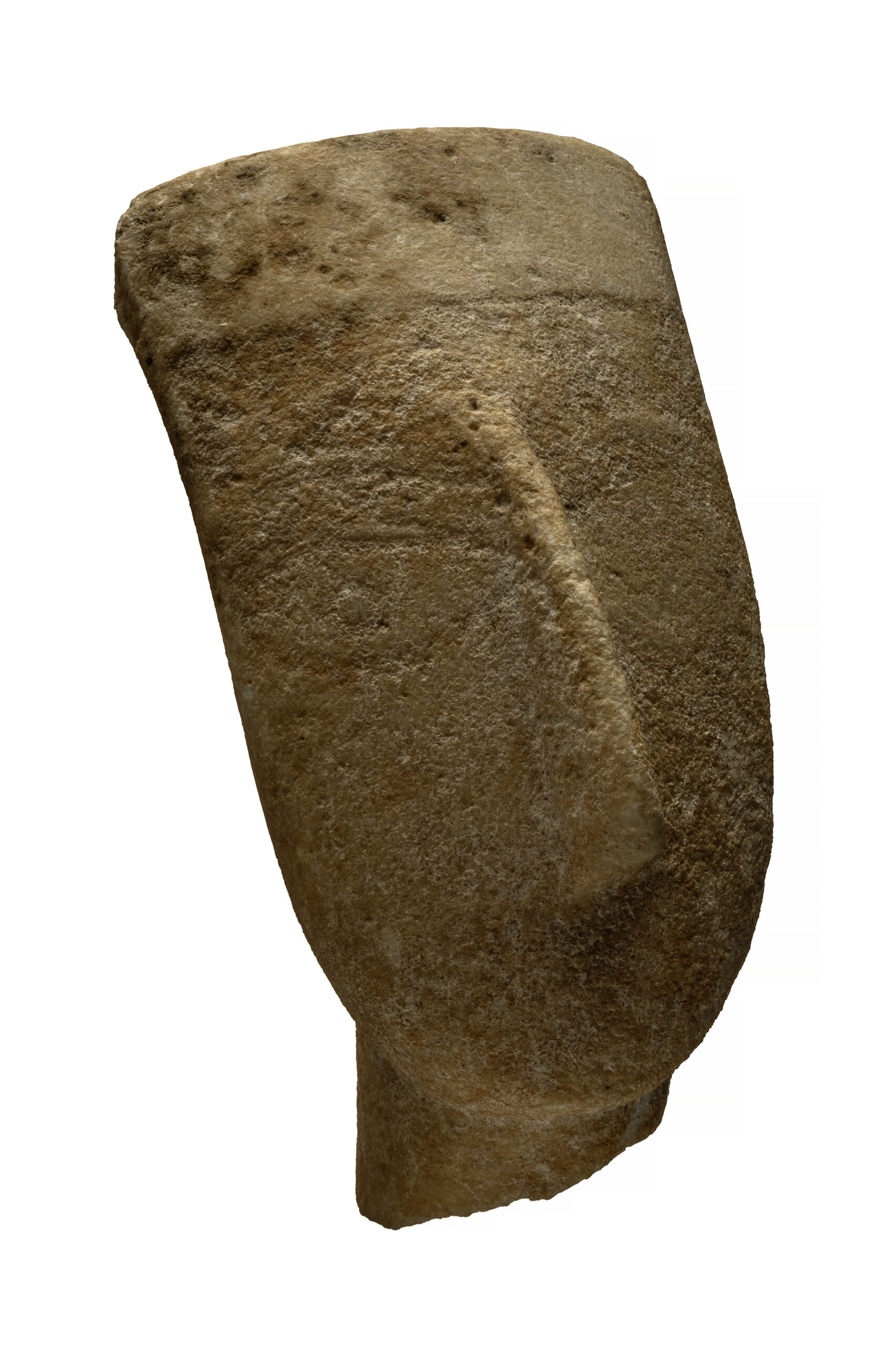
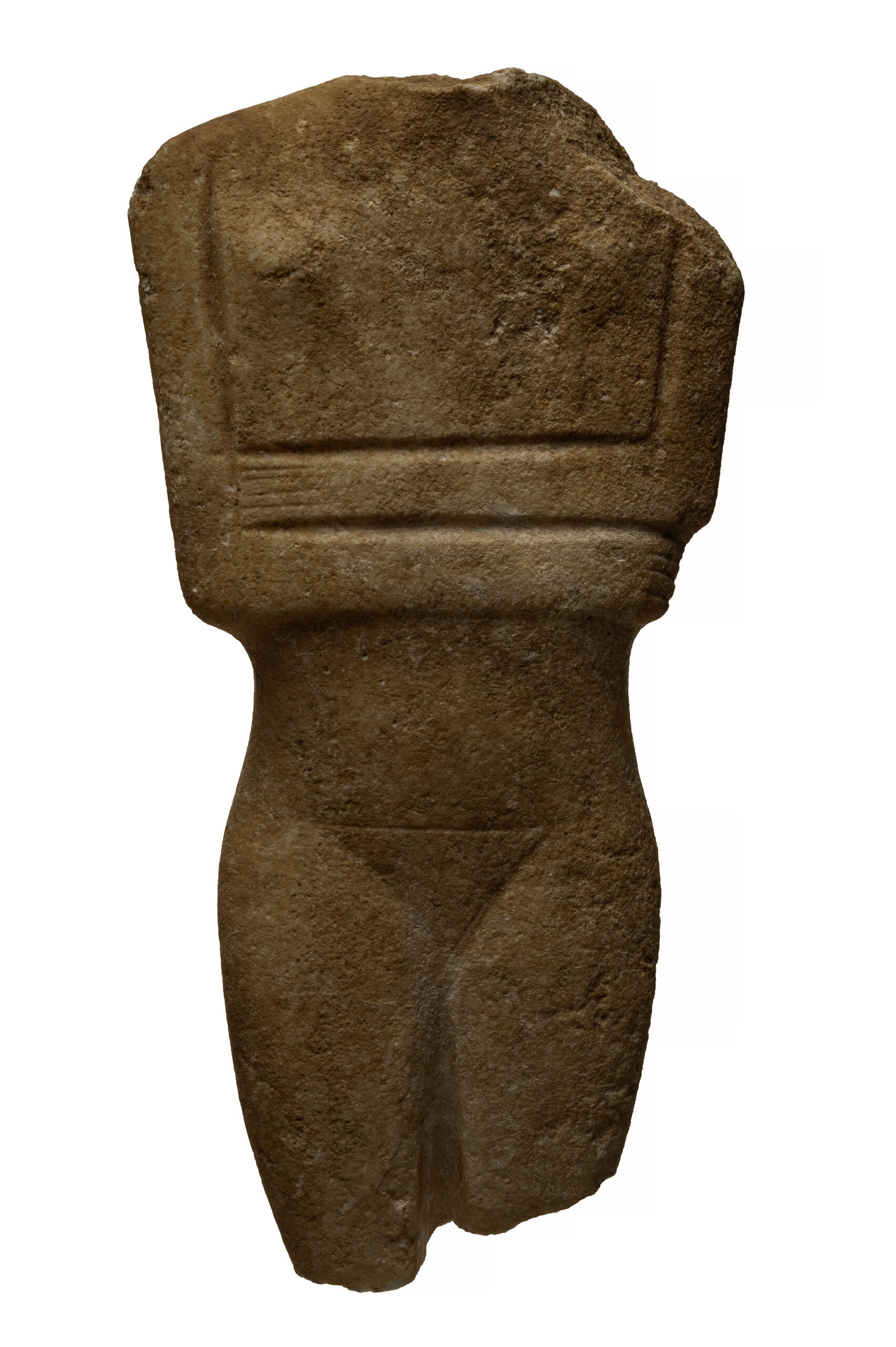
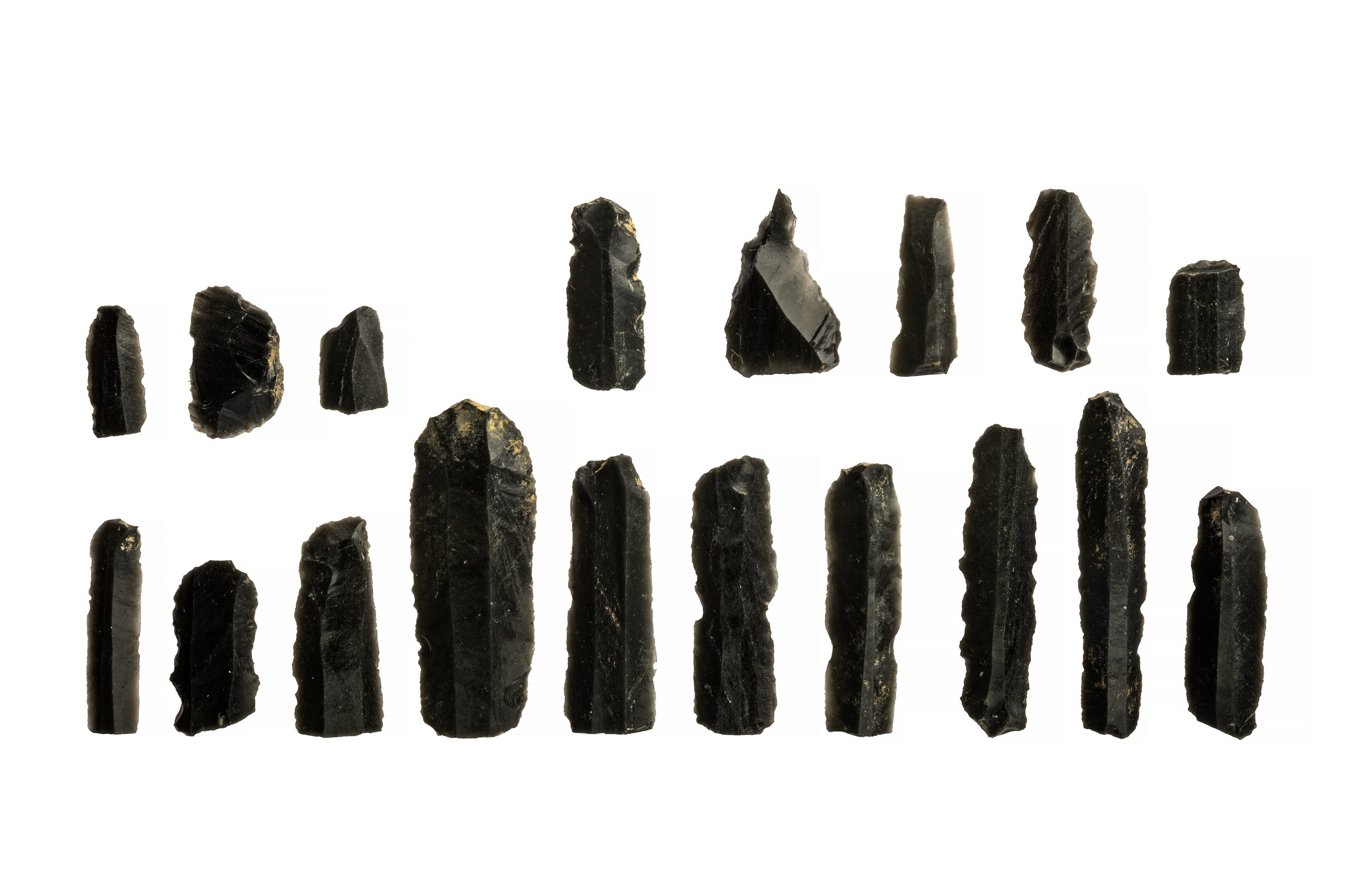
On the west coast of Keros, in the area of Kavos, one of the most peculiar archaeological complexes of the Early Cycladic period was discovered, the so-called ‘Special Deposits’. During the period 2700–2300/2200 BC, fragments of marble figurines and utensils, ceramic vessels, metal objects and obsidian tools were collected: all had been brought there from various areas of the Cyclades.
This, the largest known concentration of fragments of Cycladic marble figurines (rarely preserved intact), shows that their breakage was due neither to accident or mischance, nor to natural wear, but was a conscious human act. The deliberate breakage and deposition of objects of high quality and prestige have been interpreted in different ways. According to one view, it is associated with the existence of an extensive cemetery. According to the prevailing interpretation, these objects were ritually broken and offered up in a pan-Cycladic sanctuary.
An integral element of the archaeological complex of Keros is the neighbouring islet of Daskalio, where one of the largest and best-organized settlements of the Early Cycladic period in the Aegean developed. Daskalio is today located just 90 m from the western coast of Keros; during the 3rd millennium BC, they appear to have been connected by a narrow strip of land, so forming a single arena of activity.
The excavations at Daskalio revealed a settlement with organized urban planning, extensive public works and building complexes arranged on successive terraces: evidence that attests to coordinated collective action and a high degree of social organization already in the 3rd millennium BC.
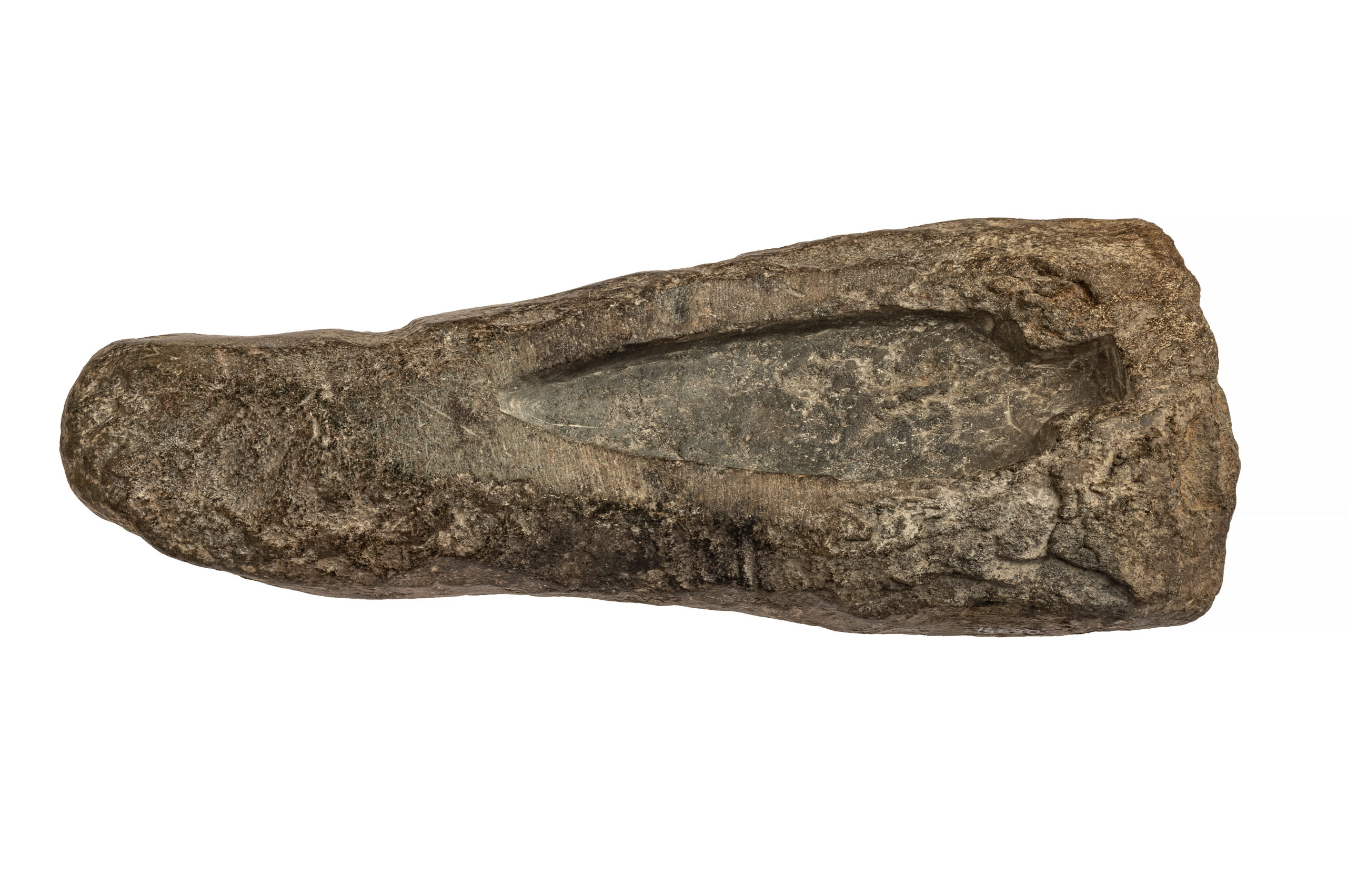
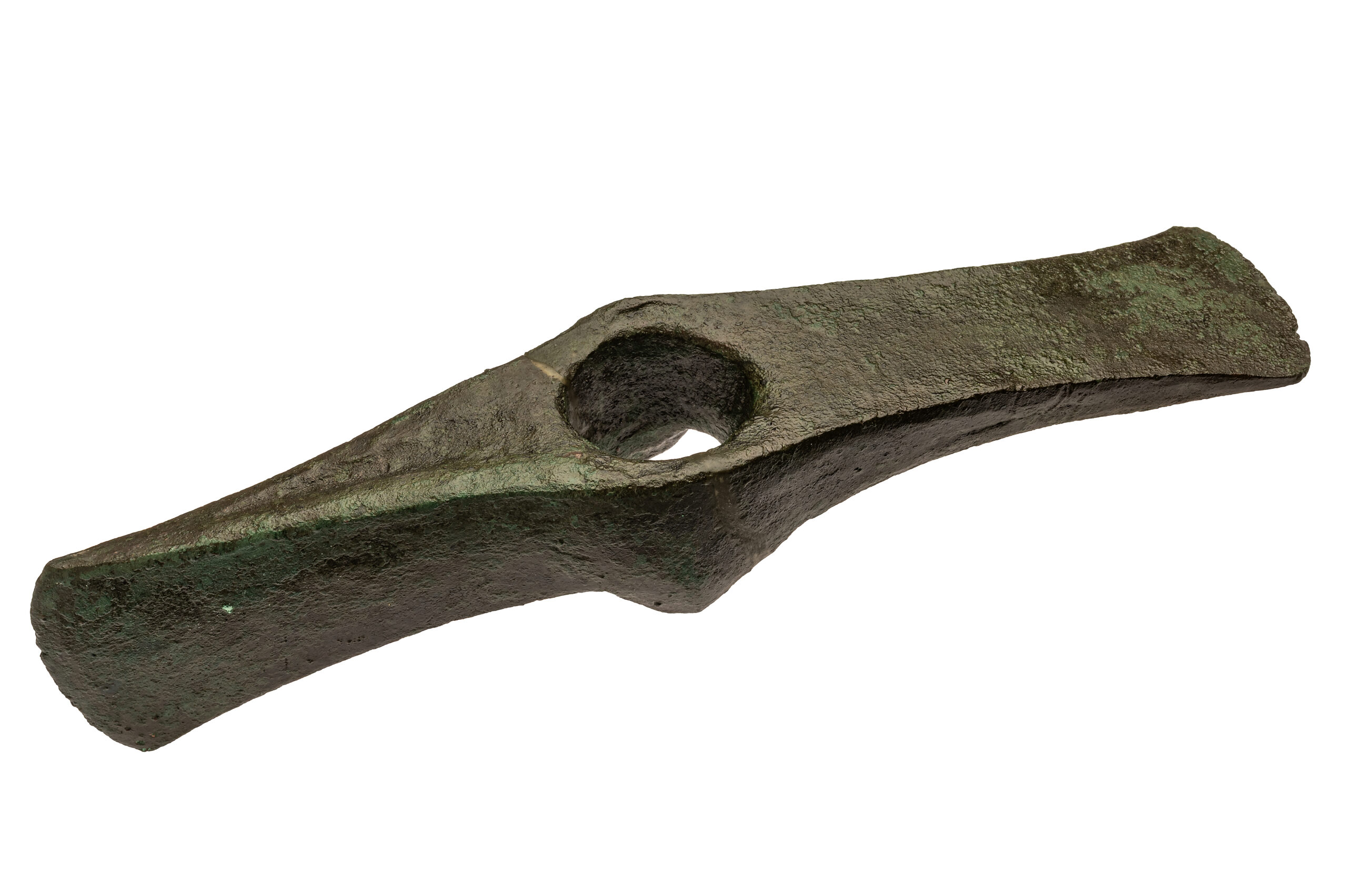
The developed manufacturing activities, the presence of raw materials and objects of different origins, as well as the evidence of specialized technical activities such as metallurgy, show that Daskalio actively participated in the exchange networks of the prehistoric Aegean.
The development of the settlement coincides in time with the changes observed in the ‘Special Deposits’ of Kavos. During the later phases of habitation, when the activity in the deposits becomes more limited, Daskalio experiences its greatest development and functions as a centre for the collection, production and movement of goods around the Aegean.
The close relationship of Keros with Daskalio highlights this archaeological complex as a supra-local reference point for understanding the social organization and the increasing complexity of the Cycladic communities during the 3rd millennium BC.
Archaeological research in Keros and Daskalio began in the 1960s with Christos Doumas and continued with systematic research programs by the British School at Athens and the University of Cambridge, in collaboration with the Ministry of Culture and the Ephorate of Antiquities of the Cyclades.
Finds from the excavations on Keros and Daskalio were presented in the exhibition ‘Look OPPOSITE, a settlement on Keros 4500 years ago’, at the Archaeological Collection of Koufonisi and the Art Gallery of the Municipality of Athens