

A Late Antique Island Community
Schoinoussa, in the Lesser Cyclades complex, experienced a particular development during Late Antiquity. Archaeological investigations in recent years have revealed an extensive settlement and the remains of an early Byzantine basilica, shedding light on important aspects of the life of an island community from the 4th to the mid-7th centuries AD.
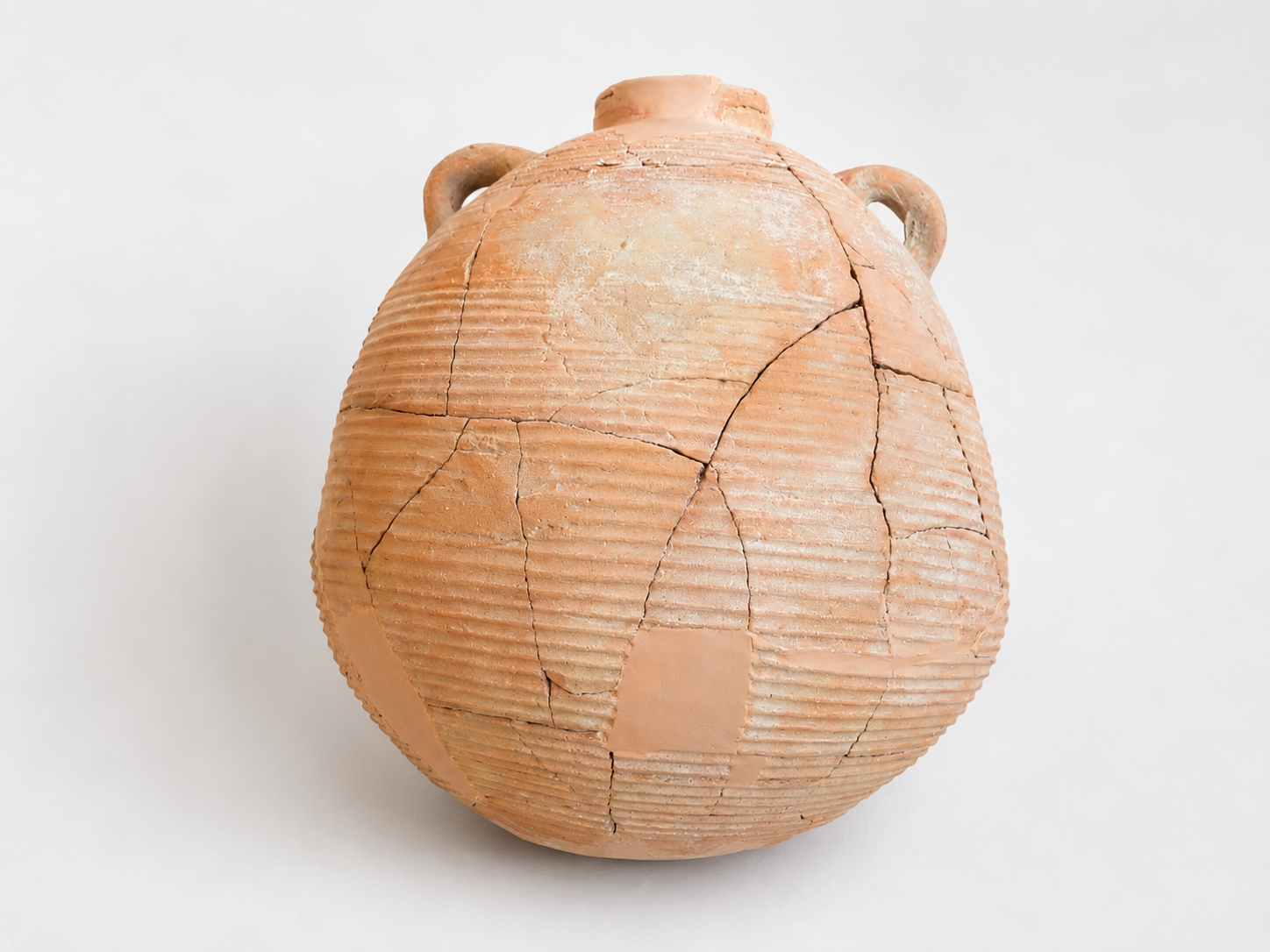
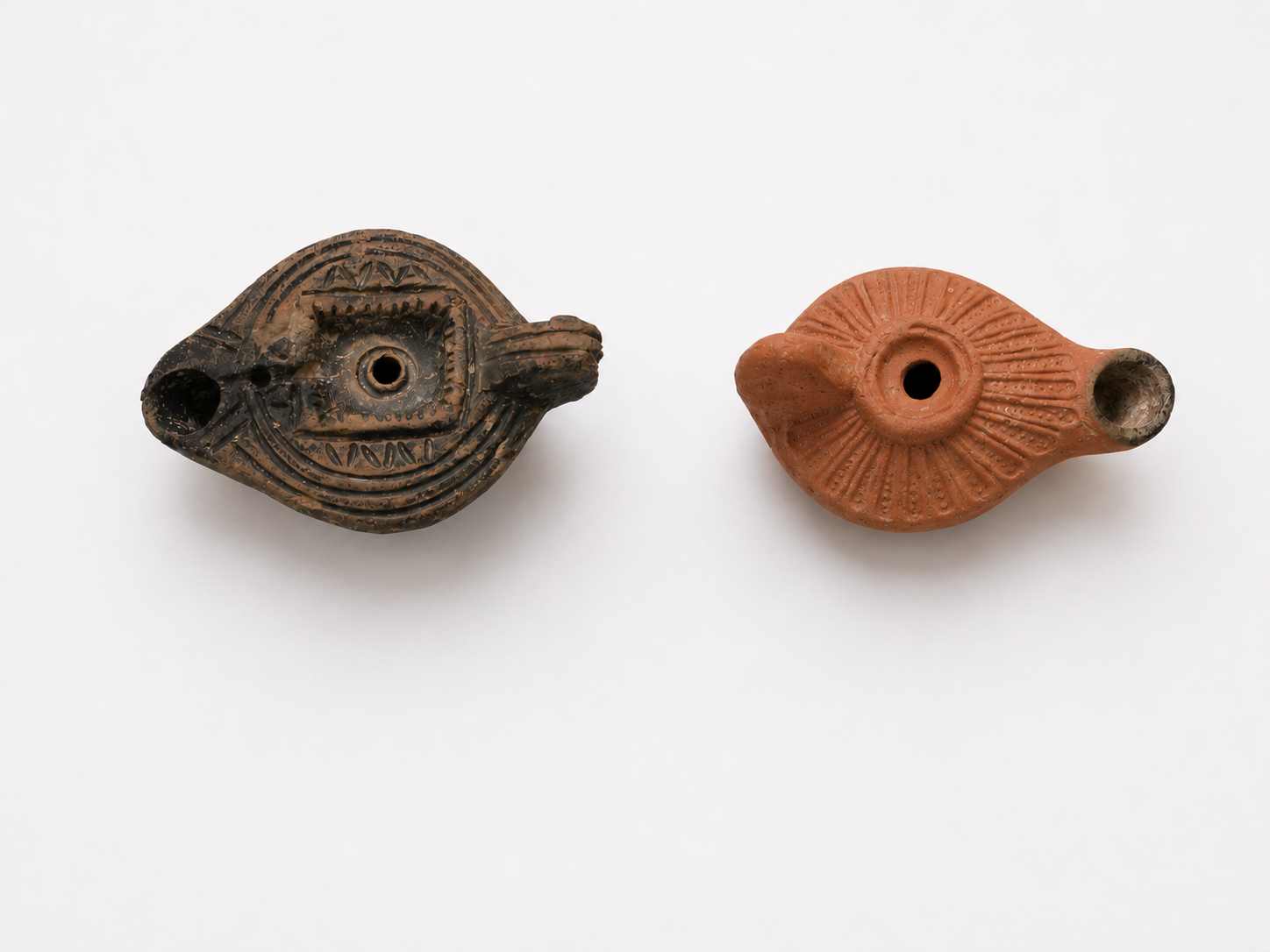
The settlement developed in accordance with the topography of Cape Portokali, with houses built on successive levels that followed the natural slope of the land. The presence of imported pottery from workshops in Asia Minor, North Africa, Cyprus and Athens shows that Schoinoussa participated in the trade networks of the eastern Mediterranean during Late Antiquity. Archaeological finds reveal aspects of the daily life, storage, food preparation, lighting and the personal adornment of the inhabitants.
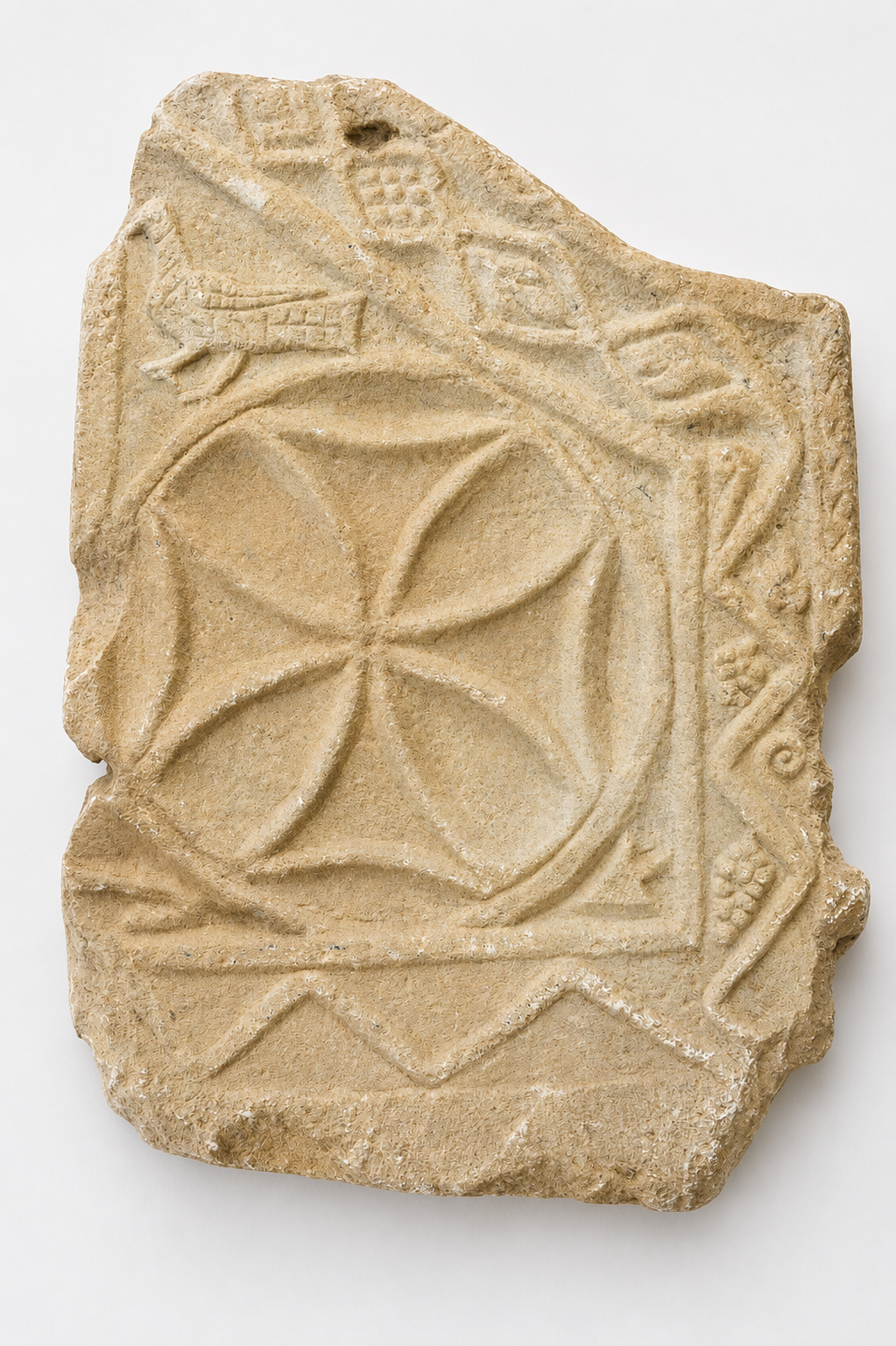
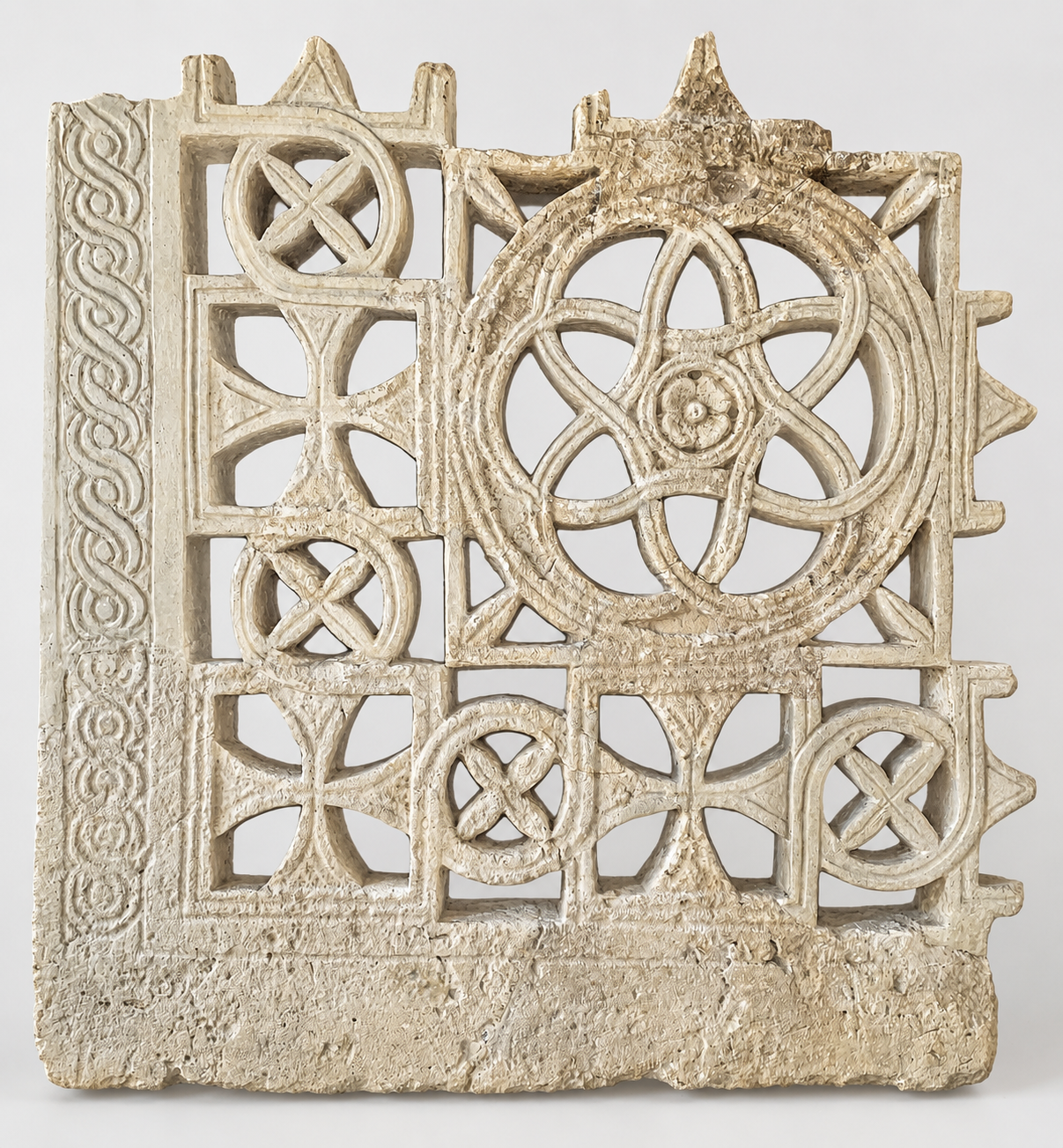
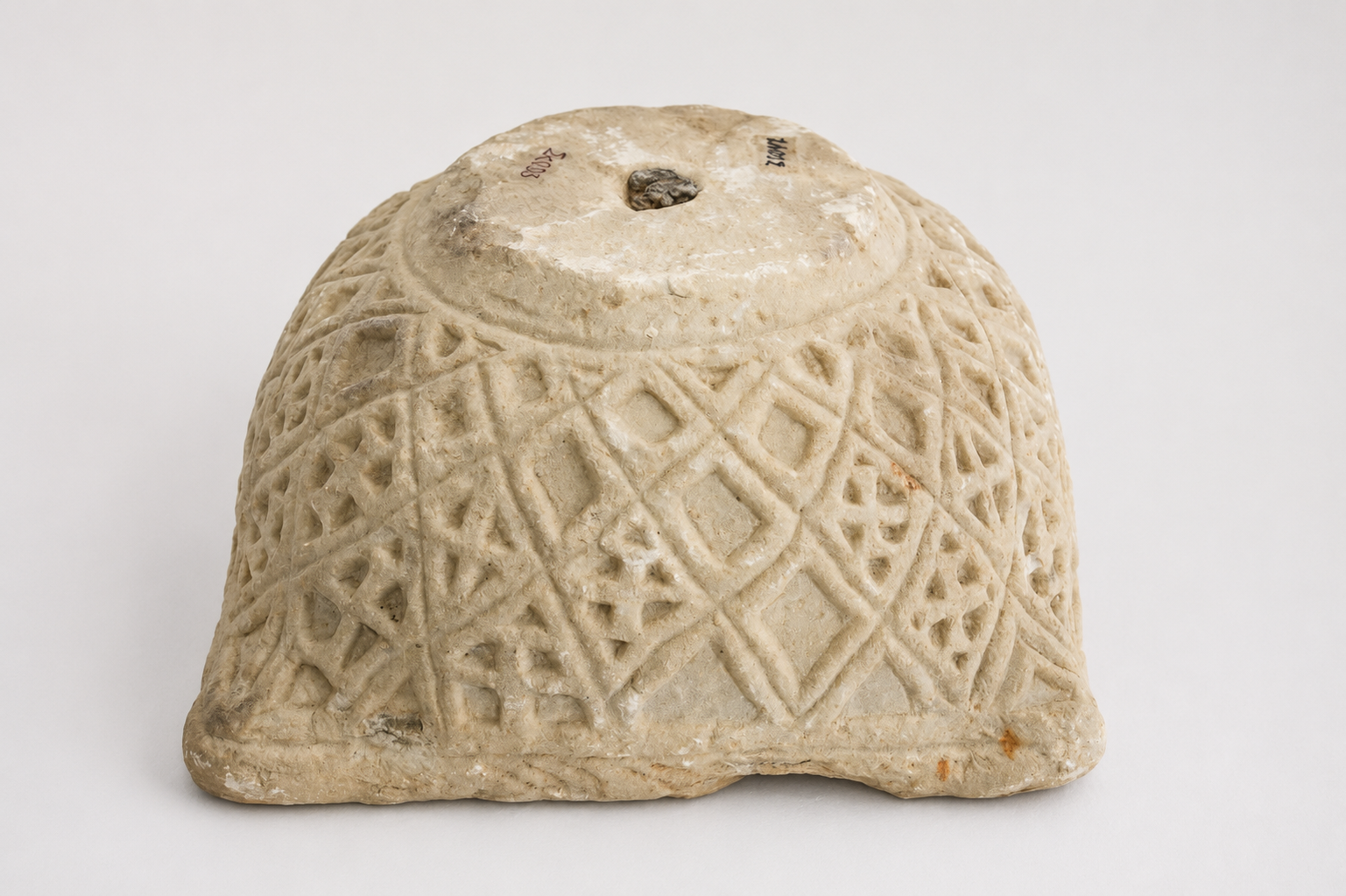
Of particular interest are the ecclesiastical architectural elements originating from Schoinoussa, such as the capitals and a section of a balustrade with its rare cut-out (à jour) decoration. These testify to the quality of the sculptural decoration and the artistic influences that reached even a small island in the Cyclades.
The settlement and the basilica appear to have been abandoned in the mid-7th century, probably in the context of the wider upheavals caused by the Arab raids in the Aegean.