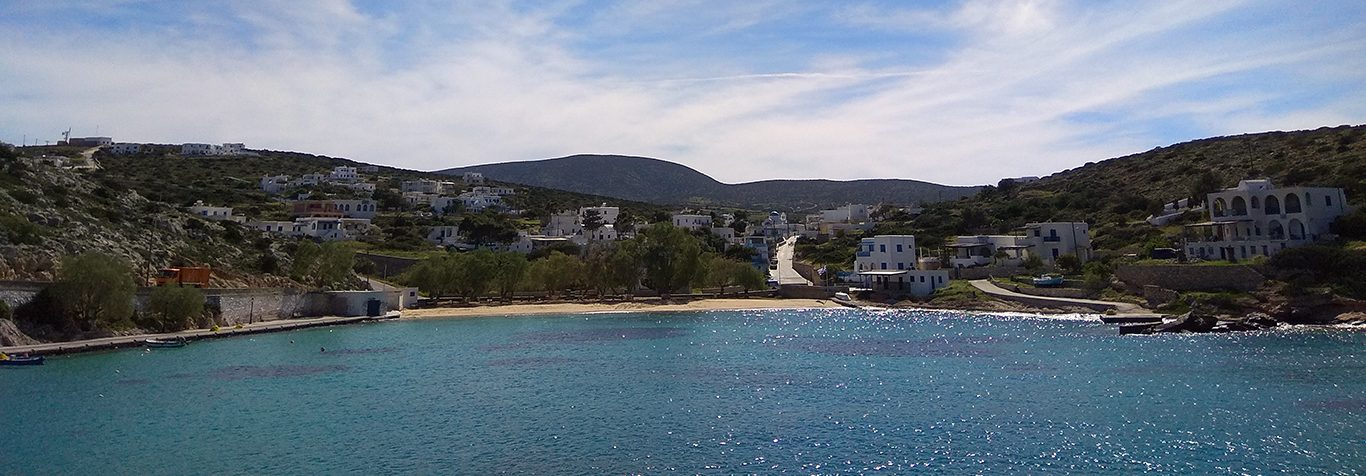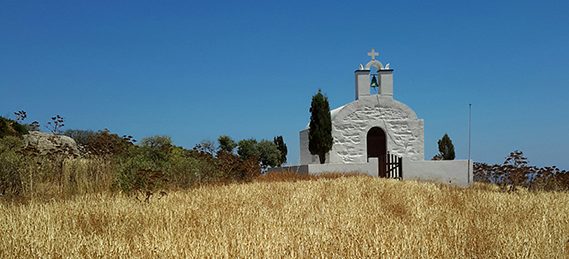


Heraklia is the largest and most rugged island of the Lesser Cyclades, with only 151 inhabitants.
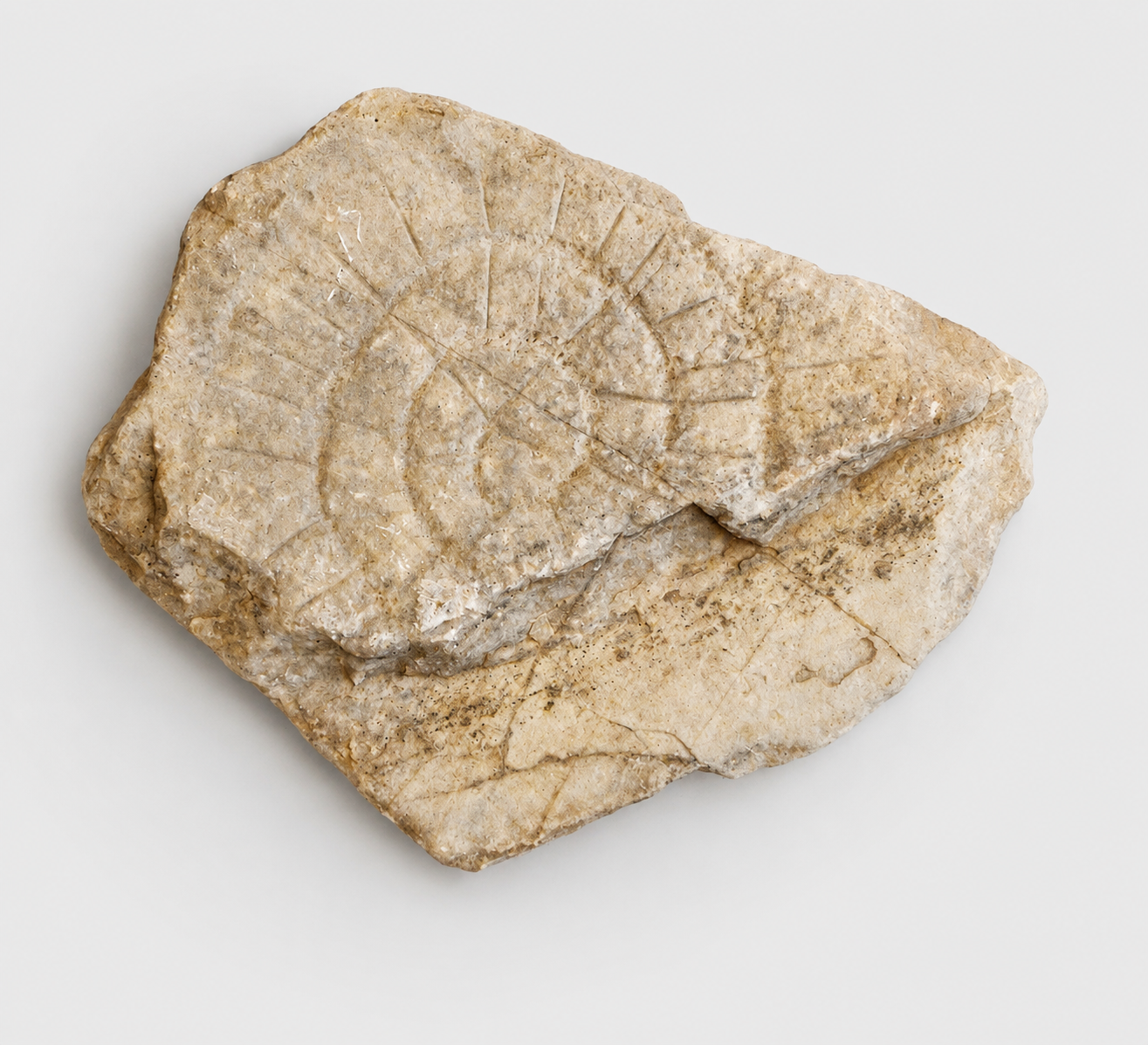
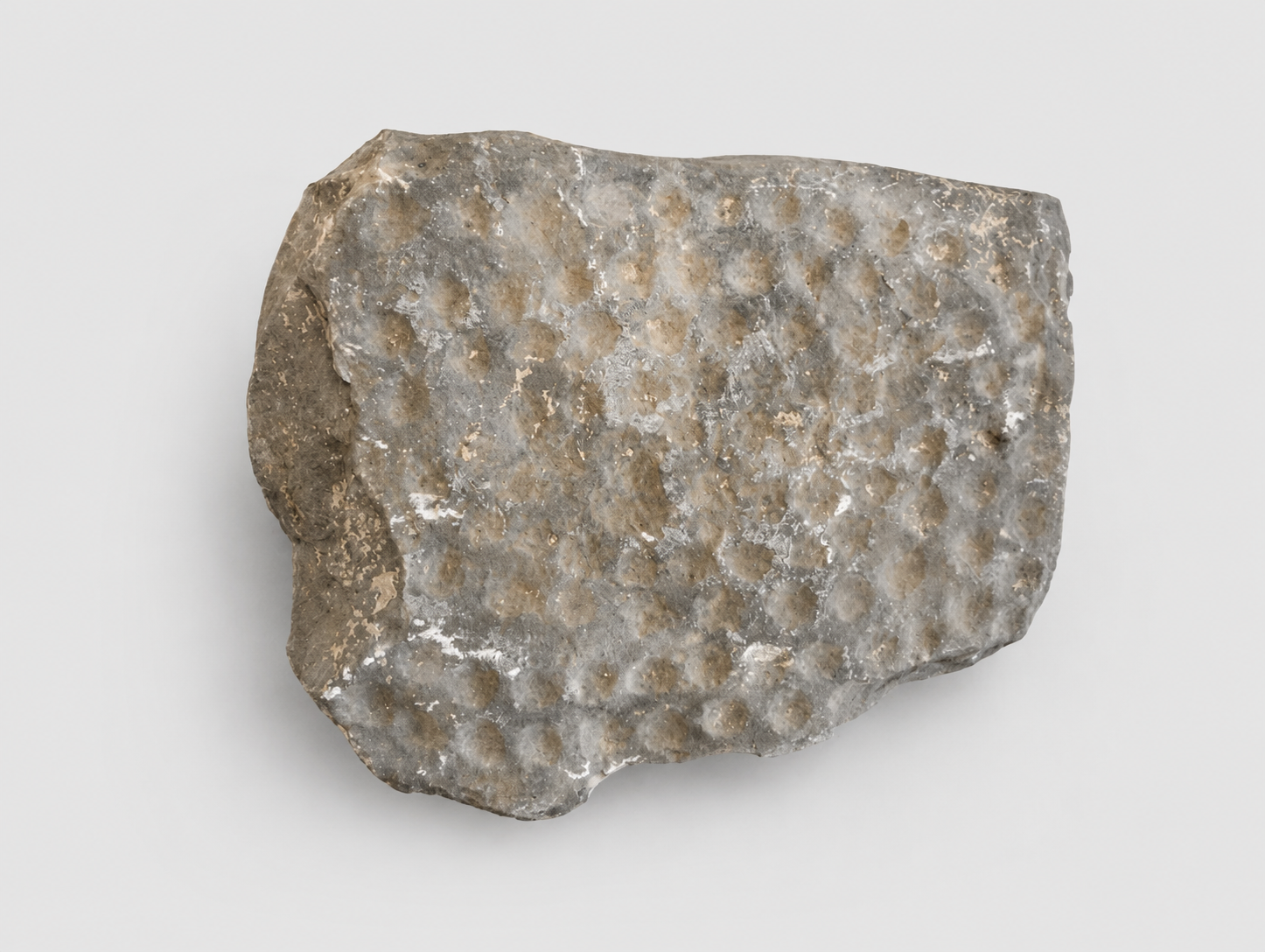
The island was inhabited in prehistoric times, as is clearly shown by the rock art scattered around the island. The spirals, the dominant motif, are formed using the percussion technique, i.e. by multiple and continuous blows delivered to the rock with a suitable tool. The second type encountered are those composed of small, shallow cavities (cups). As one cannot correlate them with any specific excavation data, their dating is placed roughly in the 4th and 3rd millennia BC. The interpretation of the rock carvings remains enigmatic: connections with the cycle of the seasons, natural phenomena or constellations are all speculative.
In the much later Kastro of the island, located in its northern part, extensive architectural remains from the Hellenistic period have been preserved, which demonstrate the habitation of Heraklia during historical times. This occupation is also evident from the sporadic surface finds in many parts of the island.