

At the ‘desks’ of the ancient gymnasium of Palaiopolis, Andros
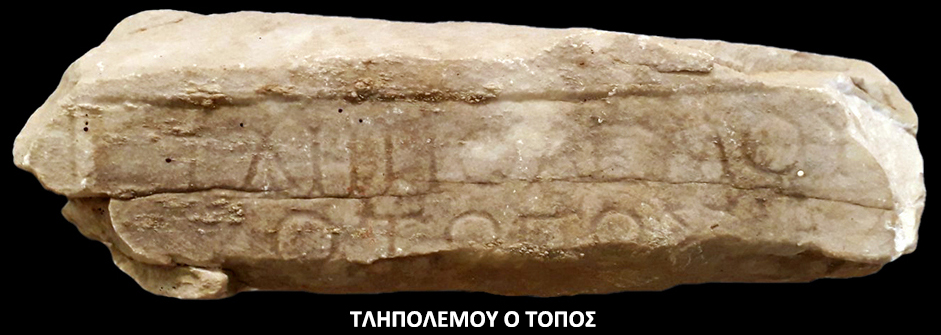
Sozon, Aulus, Philemon, Apollonius and Philonicus are just some of the adolescents who, in the Hellenistic years, sat at the ‘desks’ of the gymnasium of Palaiopolis, the ancient city-state of Andros. Their names were cut into the slabs that formed the cladding of the stone pillars in the city’s place dedicated to learning: thus their names were preserved over the centuries and have reached our ears today. Many students over time sat at the same ‘desks’ and they all took care to chisel off the name of the previous person and to engrave their own. In addition to the young people who were educated in the gymnasium, we also know from an inscription from Palaiopolis about the ‘director’, the head of the gymnasium who ensures the welfare of all those who are admitted to the gymnasium…’ that is, takes care of those who attend (IG XII Suppl., 250). The patron gods of the gymnasium were Hermes and Hercules, to whom sacrifices were offered, according to the above inscription from the 2nd century BC. Similar records of the names of adolescents have been found in other gymnasiums of Hellenistic cities, such as in that of Delos.
From the place where the inscriptions were found and from other archaeological evidence, the Gymnasium of ancient Palaiopolis can be sited near the small church of the Metamorphosis of the Savior. The ‘place’ inscriptions as they are called (after the formula ‘Apolloniou o topos’, i.e. the place of Apollonius) can be seen exhibited in the Palaiopolis museum, along with other significant finds from ancient Palaiopolis.